5 Environment Facts About New Zealand’s Carbon Zero Target That’ll Change Your Mind
New Zealand’s ambitious carbon zero target by 2050 is hitting some uncomfortable truths as fresh analysis reveals the massive scale of transformation required across our economy. The environment debate just got a lot more real.
Three years into our Zero Carbon Act journey, the honeymoon period is well and truly over. What looked achievable on paper back in 2019 is proving to be one hell of a mountain to climb, and the latest data from our Climate Change Commission isn’t pulling any punches about what lies ahead.
Carbon Zero Challenge by Numbers
1. The Agriculture Elephant Is Still in the Room
Let’s be brutally honest here – we can install all the solar panels and electric car chargers we want, but until we tackle the big white elephant grazing in our paddocks, we’re basically rearranging deck chairs on the Titanic. Agriculture still accounts for nearly half of New Zealand’s greenhouse gas emissions, and that percentage has barely budged despite years of policy talk.
The reality check? Our farmers are caught between international climate commitments and the economic reality of feeding both New Zealand and a good chunk of the world. According to Reuters, the country faces mounting pressure to reduce methane emissions from livestock while maintaining its position as a major food exporter. The technology to significantly cut agricultural emissions exists, but it’s expensive and largely unproven at scale.
Meanwhile, our trading partners are watching closely. The EU’s carbon border adjustments are coming whether we like it or not, and if we can’t demonstrate real progress on farm emissions, our exports could face hefty penalties that’ll make the current cost of living crisis look like a picnic.
2. The Renewable Energy Gap Is Bigger Than We Thought
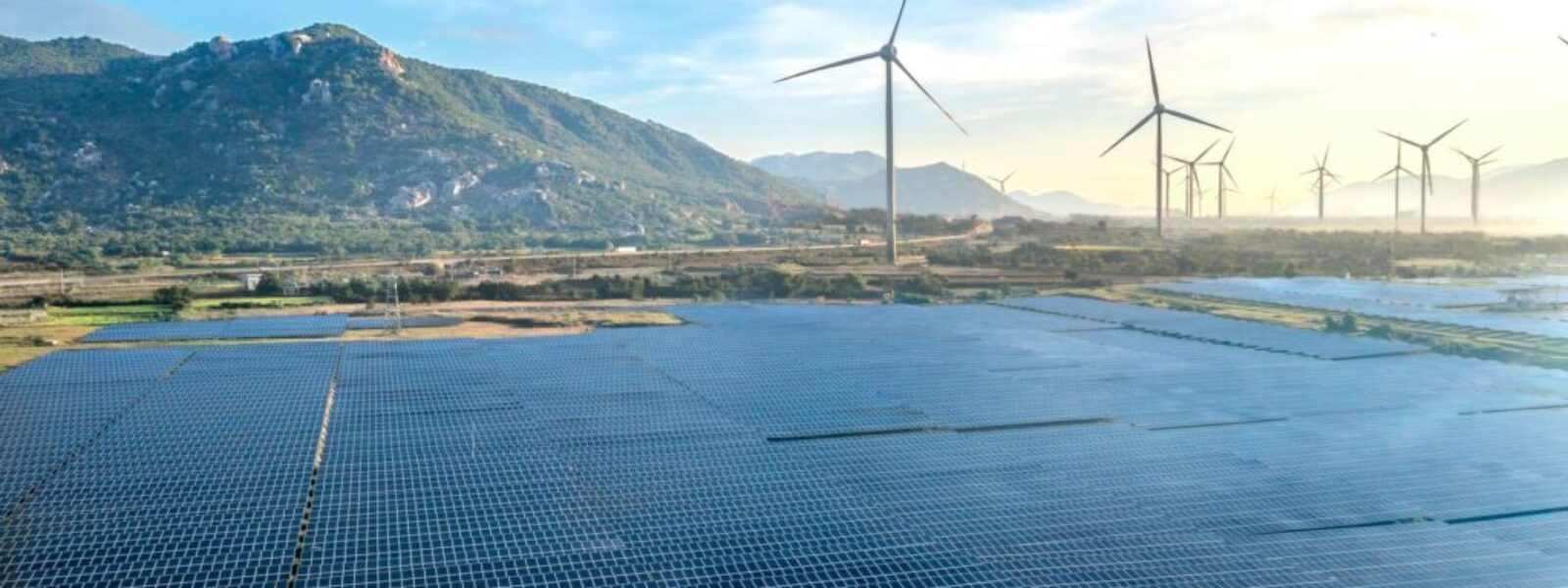
Sure, we love to bang on about being 85% renewable for electricity generation, but here’s the kicker – electricity is only about 25% of our total energy consumption. The other 75% comes from fossil fuels, mainly for transport and industrial processes, and switching that over is going to require a complete rewiring of how New Zealand works.
The numbers are staggering. To hit carbon zero by 2050, we need to roughly quadruple our renewable electricity generation while simultaneously electrifying everything from trucks to steel production. That means building the equivalent of several more Huntly power stations worth of clean generation, plus the transmission infrastructure to get it where it’s needed.
And let’s not kid ourselves about the timeline. Major energy infrastructure projects in New Zealand take decades, not years. The Transmission Gully motorway took 15 years from conception to completion, and that’s just a road. Imagine trying to rebuild our entire energy system in 24 years while keeping the lights on and the economy running.
3. The True Cost Will Make Your Eyes Water
Here’s where the rubber meets the road – achieving carbon zero isn’t just an environmental challenge, it’s an economic transformation that’ll cost hundreds of billions of dollars. The Climate Change Commission’s latest modelling suggests we’re looking at investments equivalent to 1-2% of GDP every year until 2050.
To put that in perspective, that’s roughly $4-8 billion annually in today’s money, every single year for the next quarter-century. That’s more than we spend on education. It’s comparable to our entire health budget. And unlike building hospitals or schools, much of this spending won’t generate immediate, tangible benefits that voters can see and touch.
The political reality is that no government wants to be the one explaining to taxpayers why their rates and taxes are skyrocketing to pay for climate action. But the alternative – missing our targets and facing international carbon penalties – could be even more expensive in the long run.
4. We’re Banking on Technology That Doesn’t Exist Yet
A dirty little secret of New Zealand’s carbon zero plan is that it relies heavily on technologies that are either unproven at scale or don’t exist yet. Direct air capture, green hydrogen, sustainable aviation fuels – these aren’t science fiction, but they’re not exactly proven solutions either.
Take green hydrogen, which features prominently in our decarbonisation plans for heavy industry and transport. The technology works in principle, but the economics are still questionable, and the infrastructure requirements are massive. We’re essentially betting our climate targets on a technology revolution that may or may not happen on schedule.
This isn’t necessarily a bad strategy – someone has to be first, and New Zealand has a history of punching above its weight in innovation. But let’s be clear about what we’re doing: we’re making promises based on hopes rather than proven solutions. If the technology revolution doesn’t materialise as quickly as we need, we’ll be scrambling for Plan B with very little time left on the clock.
5. The Carbon Market Is Our Get-Out-of-Jail Card (Maybe)
Here’s the uncomfortable truth that few politicians want to discuss openly: New Zealand’s path to carbon zero almost certainly relies on buying our way out of trouble through international carbon markets. The Emissions Trading Scheme and international carbon credits aren’t just policy tools – they’re likely to be essential for meeting our targets.
The math is simple. Even with aggressive domestic action, we probably can’t cut emissions fast enough to hit zero by 2050 without purchasing carbon credits from overseas projects. That means New Zealand dollars flowing offshore to fund forest restoration in developing countries or carbon capture projects in other nations.
There’s nothing inherently wrong with this approach – climate change is a global problem that requires global solutions. But it does raise questions about whether we’re genuinely transforming our economy or just writing cheques to make the problem go away. And if everyone starts competing for the same limited pool of high-quality carbon credits, the prices could skyrocket faster than Auckland house prices in 2021.
The next few years will be make-or-break for New Zealand’s climate ambitions. We’re moving from the easy wins and grand announcements into the hard slog of actual transformation, and the reality is proving more complex and expensive than anyone wanted to admit. The question isn’t whether we can still hit our carbon zero target – it’s whether we’re willing to pay the true price of getting there.