World Leaders Eye New Zealand’s Nuclear-Free Legacy as Global Tensions Rise
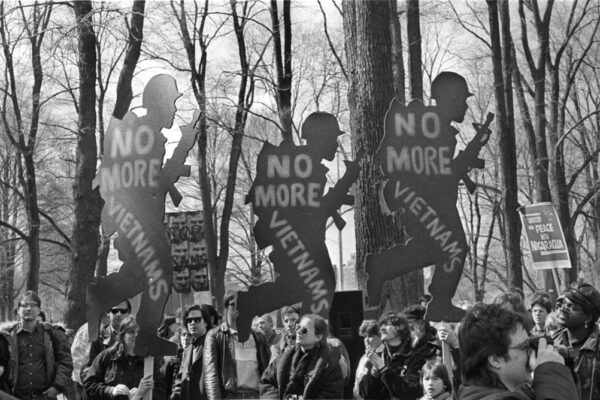
New Zealand’s nuclear-free stance is attracting global attention as world tensions rise. But can our 40-year commitment survive the harsh realities of Pacific geopolitics?
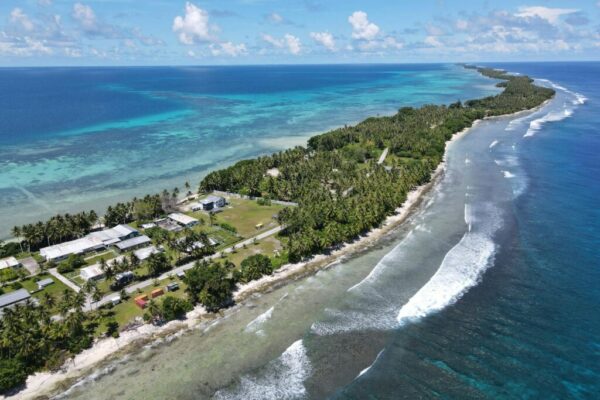
China’s aggressive Pacific expansion with billions in infrastructure spending is challenging New Zealand’s Pacific Reset strategy. The question isn’t whether we’re competing for regional influence — it’s whether we’re already losing the game in our own backyard.
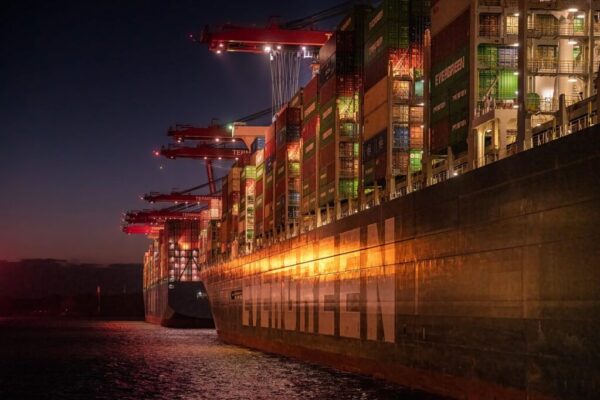
New Zealand exporters are struggling with unprecedented supply chain disruptions as China-US trade tensions force a reshaping of global commerce. Shipping delays have increased 42% while freight costs surge 28% as carriers find alternative routes.
China’s establishment of a military logistics hub in Solomon Islands exposes critical flaws in New Zealand’s Pacific Reset strategy. Our soft-power approach is losing ground to Beijing’s infrastructure investments and strategic patience.
New Zealand’s Finance Minister has secured unprecedented climate finance commitments for Pacific nations at the World Economic Forum. The diplomatic coup repositions NZ as a regional leader while opening new economic opportunities.
Global climate finance flows reached just $1.3 trillion in 2024, falling dramatically short of the $3.7 trillion needed annually to meet Paris Agreement targets. New Zealand’s ambitious carbon-zero timeline faces pressure as international investors grow skeptical about green transition costs.
Pacific trade negotiations have stalled as international partners demand stronger climate commitments and reduced agricultural subsidies from New Zealand. Trade Minister Todd McClay faces mounting pressure with potential delays until 2027.
The New Zealand dollar has surged to its highest level against the US dollar in two years, creating winners and losers across the economy. While dairy exporters celebrate stronger returns, manufacturers and tourism operators warn about competitiveness concerns.
New trade restrictions between China and New Zealand are sending shockwaves through world dairy markets, with Fonterra facing potential billions in losses. This crisis exposes New Zealand’s dangerous economic over-reliance on a single authoritarian market.
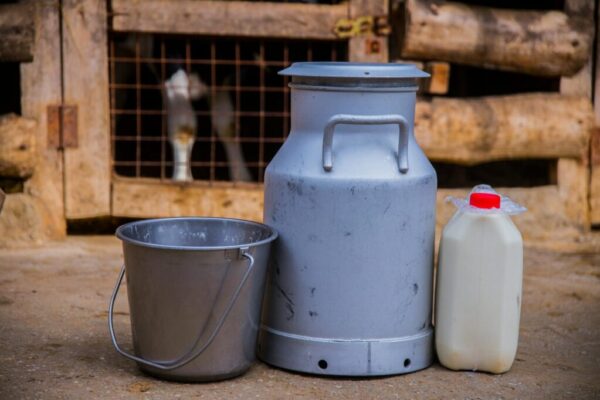
New Zealand’s dairy industry faces a $2.8 billion hit as the EU imposes 40% tariffs amid escalating global trade wars. The move threatens to devastate rural communities and reshape the country’s export-dependent economy.