New Zealand’s Mental Health Crisis: Why Our Lifestyle Choices Are Making Things Worse
New Zealand’s mental health crisis is deepening, with latest data showing one in four Kiwis experiencing anxiety or depression. Experts warn our modern lifestyle choices are accelerating the problem, from social media addiction to financial stress and work-life imbalance.
Mental health statistics released this month paint a sobering picture: 26% of New Zealand adults report experiencing anxiety or depression in the past year, up from 21% in 2023. But here’s the kicker — it’s not just about access to services anymore. Our lifestyle choices are actively sabotaging our mental wellbeing, and we’re doing it to ourselves.
Mental Health Crisis by Numbers
The numbers don’t lie. Social media usage among Kiwis has jumped to an average of 3.2 hours daily, coinciding with a 15% spike in reported anxiety disorders among 18-34 year olds. Meanwhile, financial stress affects 67% of households, and work-life balance satisfaction has plummeted to its lowest level since records began.

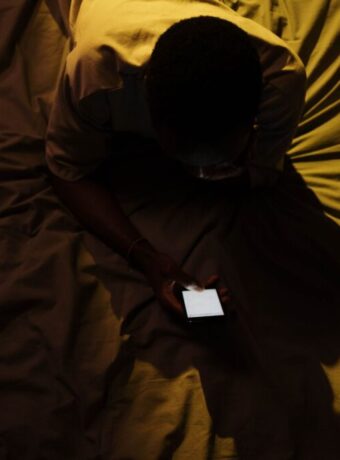
The Digital Trap
Dr Sarah Mitchell from Auckland University’s Psychology Department isn’t mincing words about our screen addiction. “We’re seeing a direct correlation between excessive social media use and deteriorating mental health outcomes,” she says. “The constant comparison culture, especially on platforms like Instagram and TikTok, is creating unrealistic expectations and fueling anxiety disorders.”
The evidence is compelling. Young Kiwis spending more than two hours daily on social platforms show 40% higher rates of depression and anxiety compared to moderate users. Yet despite mounting research, we’re doubling down on digital consumption.
“It’s become a vicious cycle,” explains Dr Mitchell. “People turn to social media when they’re feeling low, which actually makes them feel worse, so they scroll more. We’re medicating with the very thing that’s making us sick.”
Financial Stress and Lifestyle Inflation
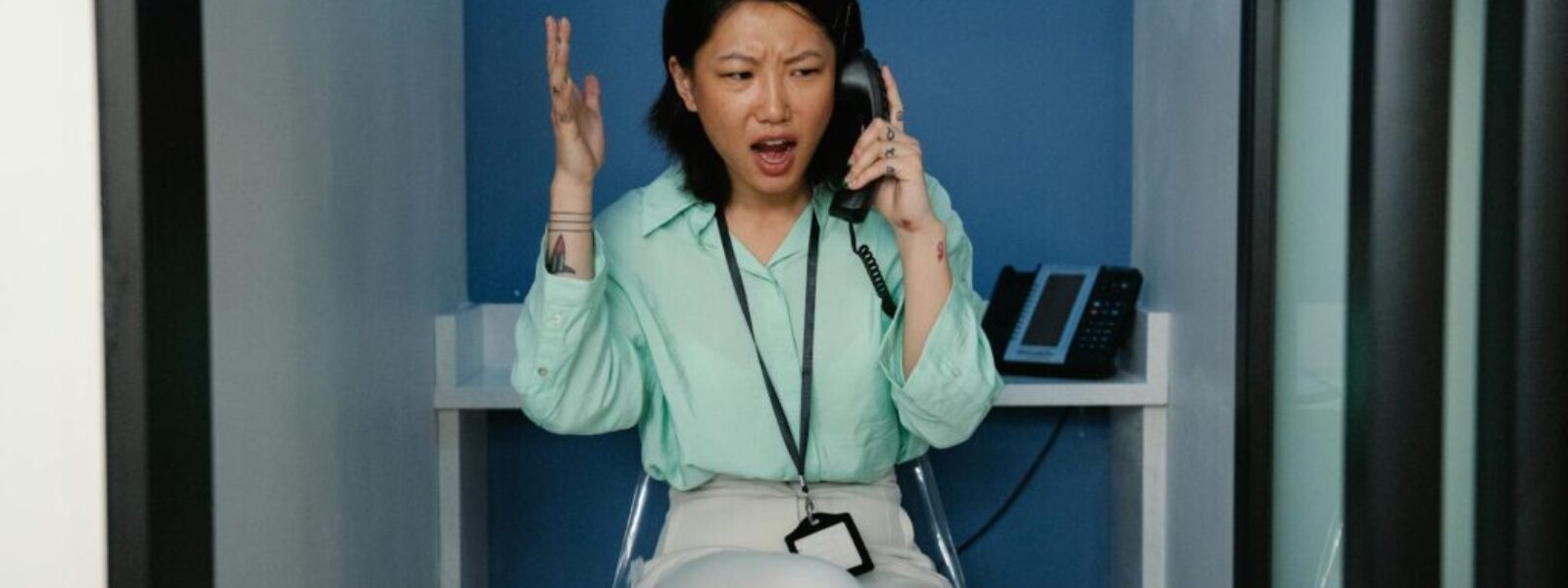
Money troubles are another lifestyle factor driving mental health issues. According to PwC New Zealand, financial stress now affects two-thirds of Kiwi workers, with 43% reporting it significantly impacts their mental wellbeing.
Financial counsellor Mark Thompson from Budget Advisory Service sees the pattern daily. “People are making lifestyle choices that stretch them financially thin — bigger mortgages, expensive cars, constant dining out,” he says. “Then they’re surprised when the stress affects their mental health.”
The lifestyle inflation trap is real. Despite wage growth, household debt-to-income ratios have climbed to 160%, leaving many families one paycheck away from financial crisis. The psychological burden is immense.
Work-Life Boundaries Have Collapsed
Remote work was supposed to improve work-life balance. Instead, it’s created an always-on culture that’s destroying our mental boundaries. Recent workplace surveys show 58% of Kiwis regularly check work emails after hours, while 34% report feeling guilty when not immediately responding to work communications.
Occupational psychologist Dr James Reid calls it “lifestyle creep in reverse.” He explains: “Instead of work fitting around life, life is now fitting around work. People are taking calls during family dinners, answering emails on weekends, and wondering why they feel burnt out.”
The pandemic normalized this boundary-free existence, but the mental health costs are becoming clear. Stress-related leave has increased 23% since 2024, with burnout being the leading cause.
The Path Forward Isn’t Pretty
Here’s the uncomfortable truth: fixing New Zealand’s mental health crisis requires more than better services. It demands lifestyle changes most Kiwis aren’t ready to make. Digital detoxes, financial discipline, and work boundaries sound simple but feel impossible in practice.
“We’re at a crossroads,” warns Dr Mitchell. “Either we acknowledge that our lifestyle choices are part of the problem and make hard changes, or we continue medicating the symptoms while the root causes get worse.”
The government’s $1.9 billion mental health investment is crucial, but it’s treating symptoms, not causes. Until we’re honest about how our modern lifestyle is making us sick, those alarming statistics will keep climbing. The question isn’t whether we can afford to change our habits — it’s whether we can afford not to.