

Christchurch Lifestyle Revolution: City’s New 15-Minute Neighbourhood Plan Divides Residents
Christchurch City Council has unveiled its controversial 15-minute neighbourhood lifestyle plan, promising residents can access all daily needs within a quarter-hour walk or bike ride. The proposal has split the community between urban planning advocates and concerned residents who fear restrictions on car travel and property values.
1. The lifestyle transformation plan — Christchurch is positioning itself as New Zealand’s first major city to fully embrace the 15-minute neighbourhood concept, where residents can access work, shopping, healthcare, education, and recreation within walking distance of their homes. The Council’s draft proposal, released this week, maps out 12 distinct neighbourhood hubs across the city, each designed to be self-contained lifestyle ecosystems. It’s an ambitious vision that would fundamentally reshape how Cantabrians live, work, and move around their rebuilt city. The timing isn’t coincidental — with post-earthquake reconstruction largely complete, Christchurch sees this as its chance to leapfrog other cities in creating genuinely sustainable urban living.
15-Minute Neighbourhood Key Figures
2. What’s actually changing on the ground — The plan isn’t just pretty pictures and urban planning jargon. According to Stats NZ, the finding showed Christchurch’s population grew by 2.1% last year, putting pressure on existing infrastructure. Under the new framework, each neighbourhood hub would get dedicated cycling infrastructure, electric bus priority lanes, and zoning changes to allow more mixed-use development. Think apartment buildings with ground-floor cafes, co-working spaces above pharmacies, and small supermarkets integrated into residential blocks. The Council is also proposing ‘car-light’ zones where vehicle access is restricted during certain hours, and parking requirements for new developments would be slashed by up to 60%.
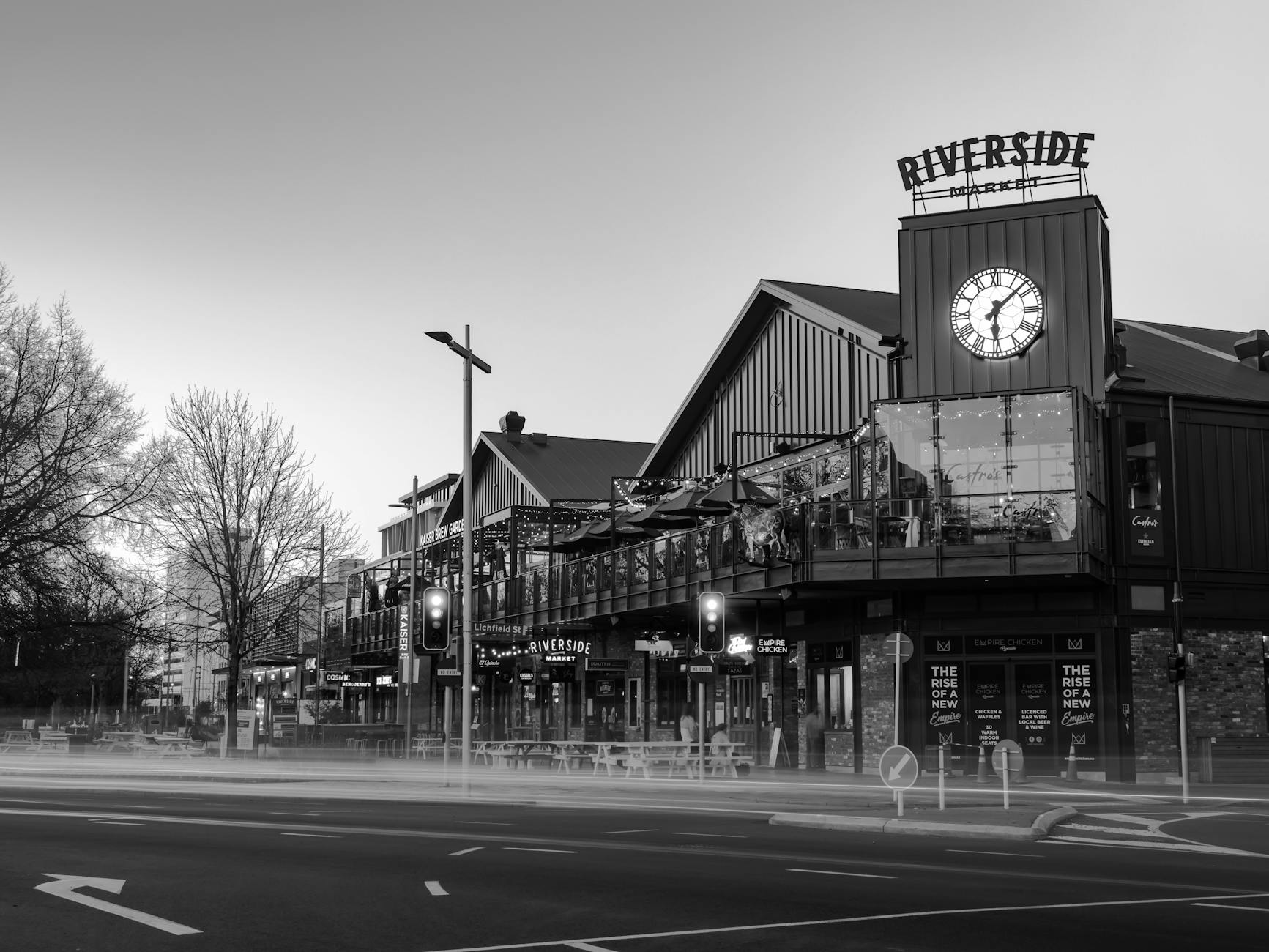
3. The residents pushing back hard — Not everyone’s buying into this lifestyle revolution. The Christchurch Residents Coalition, representing several suburban communities, argues the plan threatens their property values and freedom of movement. They’re particularly upset about proposed restrictions on through-traffic in residential areas and the reduction of parking spaces. “We chose to live in Christchurch for the lifestyle and space, not to be herded into urban villages,” says Coalition spokesperson Janet Mitchell. The group has launched a petition that’s already gathered over 8,000 signatures, and they’re threatening legal action if the Council proceeds without addressing their concerns. Their biggest fear? That Christchurch becomes another Auckland, where getting anywhere takes forever and costs a fortune.
4. The businesses seeing dollar signs — While residents remain divided, local businesses are largely embracing the change. The Canterbury Employers’ Chamber of Commerce sees the 15-minute neighbourhood concept as a massive opportunity to revitalise local commerce and reduce business costs. Smaller retailers are excited about foot traffic increases, while property developers are already eyeing sites for mixed-use projects. The hospitality sector is particularly bullish — imagine neighbourhood breweries, local roasters, and corner delis becoming the heart of community life again. Even some of the bigger players are adapting, with Progressive Enterprises confirming they’re exploring smaller-format supermarkets designed specifically for walkable neighbourhoods.
5. The infrastructure reality check — Here’s where things get tricky. Christchurch’s existing infrastructure wasn’t designed for this model, and the transition costs are eye-watering. The Council estimates it’ll need $2.8 billion over 15 years to build the cycling networks, upgrade public transport, and retrofit existing buildings. That’s money the city doesn’t currently have, meaning rates increases are inevitable. The electricity network also needs major upgrades to handle increased density and electric vehicle charging. And let’s be honest — Christchurch’s weather isn’t exactly Amsterdam. Will residents really walk to the shops in a southerly gale or cycle to work through a winter frost? The Council’s own modelling admits uptake might be slower than optimistic projections suggest.
6. The political minefield ahead — This lifestyle transformation has become the defining issue for October’s local body elections, with Mayor Phil Mauger facing pressure from both sides. Progressive councillors are pushing for faster implementation, while conservative members want the whole thing put on ice until after a full referendum. The timing couldn’t be worse politically — with inflation still biting and insurance costs soaring, many residents aren’t in the mood for grand urban experiments that might increase their rates. National’s local MPs are already positioning themselves as defenders of suburban lifestyle choice, while the Greens are framing this as essential climate action. It’s shaping up as a classic Kiwi battle between aspiration and pragmatism.
7. What happens in the next six months — The consultation period runs until June 30th, with community meetings scheduled across all 12 proposed neighbourhood hubs. The Council will then spend the winter months analysing feedback and potentially modifying the plan before a final vote in September. But here’s the thing — even if it gets approved, implementation won’t start until 2027, and the full transformation could take two decades. That’s a political lifetime in local government terms. My prediction? We’ll see a watered-down version that keeps the car-dependent suburbs mostly intact while focusing density increases on areas closer to the central city. It’s the classic New Zealand compromise — enough change to claim progress, but not so much that it actually disrupts anyone’s lifestyle. Whether that delivers the promised benefits remains to be seen, but at least it might avoid the political bloodbath that’s currently brewing.