Sport New Zealand’s coaching crisis threatens grassroots participation across the country
New Zealand’s sport sector is grappling with a severe coaching shortage that threatens to derail participation targets, with volunteer coach numbers dropping 15% since 2020. The crisis is particularly acute in rural communities where single coaches often manage multiple teams across different age groups.
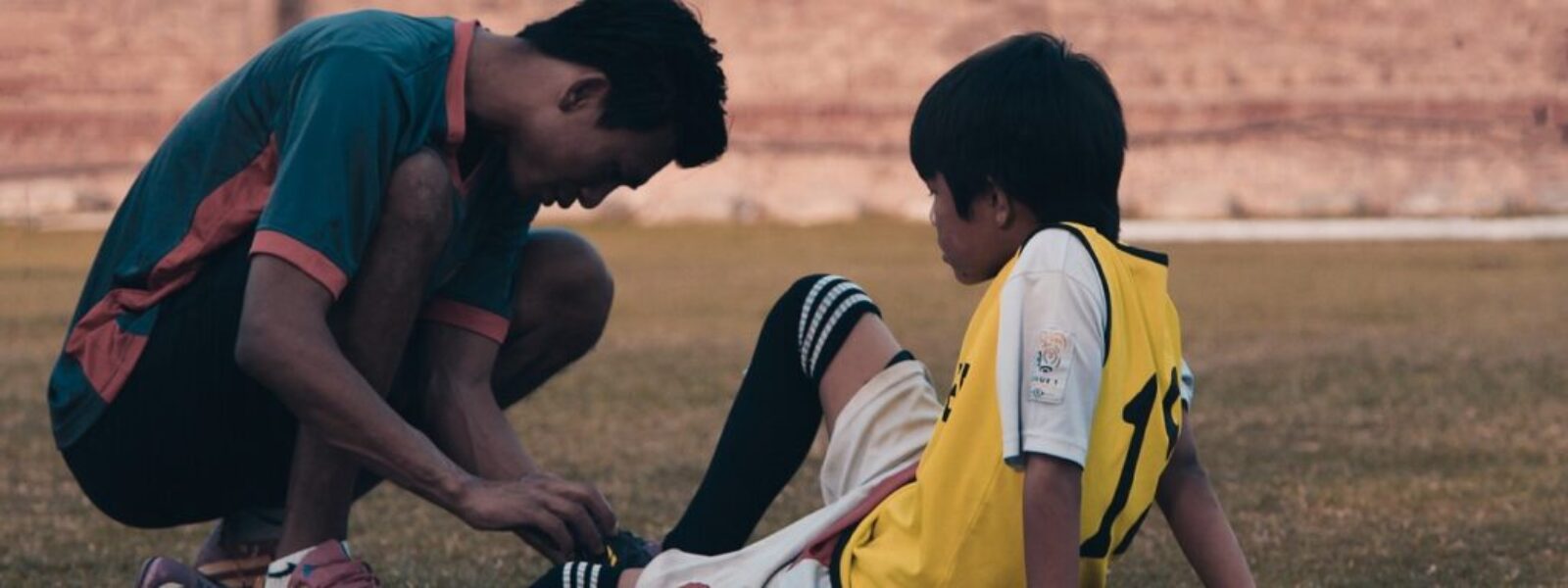
The numbers paint a stark picture for New Zealand sport. While Sport New Zealand has pumped millions into facility upgrades and participation programmes, the fundamental building blocks of grassroots sport are crumbling beneath our feet. Volunteer coaches, the unsung heroes who turn up week after week to wrangle kids through basic skills and tactics, are walking away faster than we can replace them.
Coaching Crisis by Numbers
This isn’t just about having fewer people willing to give up their Saturday mornings. It’s about the entire ecosystem that feeds our sporting success stories. Every All Black, Silver Fern, or Olympic champion started somewhere with a volunteer coach who probably knew less about elite performance than they did about keeping twenty eight-year-olds focused for an hour.
The reasons behind the exodus are frustratingly predictable yet seemingly intractable. Parents are time-poor, juggling multiple jobs and household responsibilities that didn’t exist a generation ago. The paperwork and compliance requirements have exploded, turning what used to be a casual commitment into something resembling a part-time job. Background checks, coaching certifications, health and safety protocols — all necessary, but collectively overwhelming for someone who just wants to help their local club.
According to Sport New Zealand, the findings showed rural communities are disproportionately affected, with some regions reporting coach-to-participant ratios that make meaningful skill development nearly impossible. When one person is trying to manage forty kids across three different age groups, something has to give.
The irony is palpable. We’re obsessed with producing the next generation of sporting superstars while systematically dismantling the foundation that creates them. High Performance Sport New Zealand continues to receive substantial funding for elite programmes, yet the grassroots level where participation actually happens is withering through neglect.
Rural clubs are feeling this most acutely. In small towns where the local rugby or netball club forms the social backbone of the community, losing coaches doesn’t just mean cancelled games — it means kids drifting away from organised sport altogether. These are the same communities that have traditionally punched above their weight in producing elite athletes, precisely because sport was woven into the fabric of daily life.
The ripple effects extend beyond participation numbers. When coaching quality drops, so does the standard of play, which affects retention rates among young athletes. Kids who might have stuck with a sport through their teenage years instead drift away to other activities or, more likely, to screens and sedentary entertainment.
What makes this particularly galling is that we’ve seen this movie before. The same pattern played out in community volunteer organisations across the board over the past two decades. Surf lifesaving clubs, fire brigades, and community groups all faced similar volunteer shortages as society shifted toward more individualised lifestyles and increased time pressures.
The solutions being proposed feel disappointingly familiar too. More funding for coach development programmes, streamlined certification processes, and recognition schemes that acknowledge volunteer contributions. All worthy initiatives, but they miss the fundamental issue: we’ve made volunteering too complicated and time-consuming for the average parent.
Some clubs are experimenting with paid coaching positions, but this creates its own problems. Introducing money changes the dynamic, potentially excluding communities that can’t afford professional coaching while creating expectations around performance and results that volunteer coaches never faced.
The most successful interventions seem to be happening at the micro level. Clubs that have managed to retain and attract coaches have done so by simplifying their operations, sharing the load among multiple volunteers, and creating genuine community around their activities. They’ve recognised that people volunteer for sport not because they love administrative tasks, but because they want to be part of something bigger than themselves.
Looking ahead, this coaching crisis could fundamentally reshape New Zealand sport. If we can’t reverse the trend, we’re looking at a future where sport becomes increasingly concentrated in urban areas with the resources to pay for professional coaching, while rural and lower-socioeconomic communities are left behind.
The question isn’t whether we can afford to address this coaching shortage — it’s whether we can afford not to. Every week that passes without adequate coaching support is another cohort of kids missing out on the physical, social, and mental benefits that organised sport provides. In a country that prides itself on its sporting culture and achievements, that’s a legacy we can’t afford to leave behind.