Kauri Dieback Disease: Why New Zealand’s Ancient Giants Face Extinction
New research shows kauri dieback disease could eliminate 95% of New Zealand’s remaining kauri forests within 50 years. The pathogen has already infected over 60% of kauri stands, threatening not just our natural heritage but billions in tourism revenue and ecosystem services.
What exactly is kauri dieback disease and why should Kiwis care?
Kauri Crisis by the Numbers
Kauri dieback is caused by a microscopic pathogen called Phytophthora agathidicida that literally rots the roots of our most iconic trees from the ground up. Think of it as tree cancer – once a kauri gets it, it’s game over. The disease blocks the tree’s ability to transport water and nutrients, leading to yellowing leaves, canopy thinning, and eventually death. What makes this particularly gut-wrenching is that kauri are among the world’s most ancient trees, with some specimens over 2,000 years old.
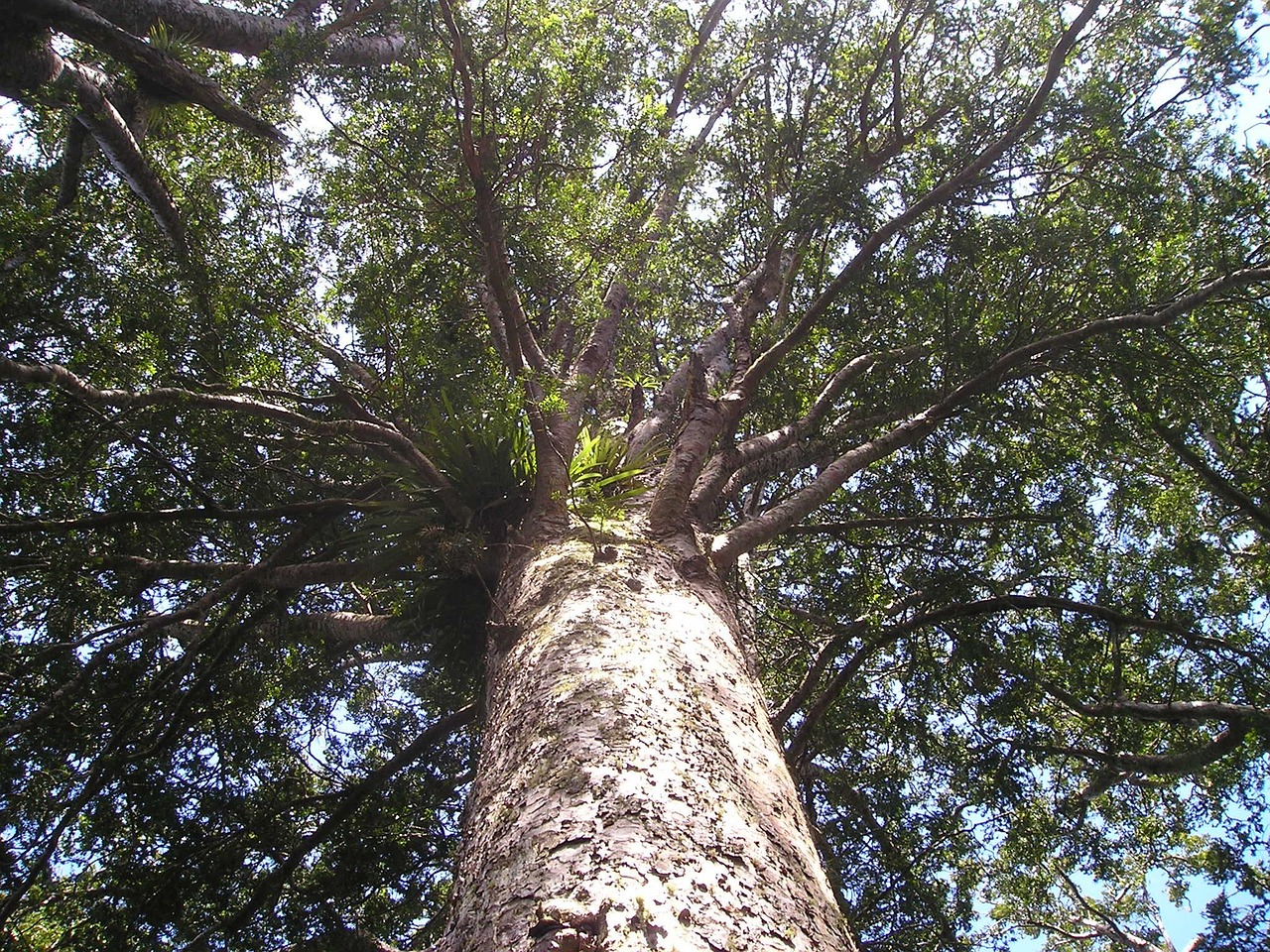
For context, these aren’t just any old trees. Kauri forests are living museums that predate human settlement by millions of years. They’re also economic powerhouses – kauri-based tourism alone generates over $400 million annually for Northland communities. When these giants die, they’re taking entire ecosystems and livelihoods with them.
Why is this environmental crisis accelerating now?
The pathogen spreads through soil and water, hitching rides on boots, bike tyres, and even pig hooves. Climate change is turbocharging the problem – warmer, wetter conditions create perfect breeding grounds for the disease. Recent flooding events have turned waterways into highways for pathogen dispersal, spreading the infection faster than ever before.
What’s really frustrating is that we’ve known about this threat for over a decade, yet according to Landcare Research, the pathogen has continued to spread despite track closures and sanitisation efforts. The reality is that our current containment measures are like trying to stop a flood with sandbags – well-intentioned but ultimately inadequate.
Who’s getting hit hardest by this environmental disaster?
Māori communities are bearing the brunt of this crisis. Kauri hold deep spiritual significance as taonga (treasures), representing strength, endurance, and ancestral connections. For iwi like Ngāti Whātua and Te Roroa, watching these trees die is like watching their ancestors disappear. The cultural grief is immeasurable.
Tourism operators in the Waitākere Ranges and Bay of Islands are also feeling the pinch. Track closures have slashed visitor numbers, and the prospect of kauri-less forests has some businesses questioning their long-term viability. Small communities that have built their identities around these ancient giants are staring down an uncertain future.
What does this mean for New Zealand’s environment and economy?
The environmental implications are staggering. Kauri forests support unique ecosystems that have evolved over millions of years. When the trees die, so do the epiphytes, fungi, and countless other species that depend on them. We’re looking at potential ecological collapse on a scale not seen since introduced pests first arrived.
Economically, we’re talking about a multi-billion dollar hit. Beyond direct tourism losses, there’s the cost of forest management, research, and potential legal challenges if the government is seen as failing in its conservation duties. Some estimates suggest the total economic impact could exceed $10 billion over the next 30 years when you factor in ecosystem services like carbon storage and water filtration.
Are there any viable solutions on the horizon?
The good news is that researchers are making progress on multiple fronts. Genetic resistance programs are identifying kauri trees that show natural immunity, while advanced treatment options including phosphite injections are showing promise in slowing disease progression. Some trials suggest these treatments can buy infected trees several more years of life.
There’s also growing support for radical interventions like establishing disease-free seed banks and creating kauri sanctuaries on offshore islands. The technology exists to do this – the question is whether we have the political will and funding to act at the scale required.
What needs to happen next to save our kauri?
We need a wartime-level response to this crisis. That means dedicated funding streams, expanded research programs, and potentially controversial measures like permanent closure of high-risk areas. The current piecemeal approach isn’t working – we need coordinated action across government, iwi, and scientific communities.
The hard truth is that we’re likely to lose many more kauri before we get this under control. But with aggressive intervention now, we might just save enough genetic diversity and healthy stands to ensure these ancient giants survive for future generations. The alternative – a New Zealand without kauri – is simply unthinkable.