7 Environment Facts About New Zealand’s Carbon Zero Push That’ll Change Your Mind
New Zealand’s ambitious carbon zero targets are facing serious headwinds as implementation reality bites. From agricultural methane controversies to ETS pricing volatility, the environment push is proving more complex than politicians promised.
Two years into Labour’s renewed climate commitments, the cracks are showing. What looked like a straightforward path to environmental leadership is turning into a messy juggling act between economic reality and green aspirations. Here’s what you actually need to know about where we’re heading.
Key climate targets at a glance
1. The ETS is becoming a political football again
The Emissions Trading Scheme is supposed to be our main tool for driving down carbon emissions, but it’s turning into a policy ping-pong ball. Prices have swung wildly from $85 per tonne back down to around $45, making long-term business planning nearly impossible.

This volatility isn’t just annoying spreadsheet fodder — it’s actively undermining the scheme’s effectiveness. Companies can’t make serious investment decisions when they don’t know if carbon will cost $30 or $80 next year. The government keeps tweaking the settings, but each adjustment creates new uncertainty.
Meanwhile, international observers are starting to question whether New Zealand’s approach is too ambitious for its economic base. We’re essentially betting our transition on a mechanism that changes rules faster than a Wellington weather forecast.
2. Agriculture is digging in harder than expected
Farmers were never going to love being included in emissions pricing, but the resistance has been more organised and politically effective than anyone anticipated. The He Waka Eke Noa partnership was supposed to smooth this transition, but it’s become another battleground.
According to Reuters, the farm emissions pricing scheme has faced significant delays amid sustained farmer opposition and concerns about international competitiveness.
The methane reduction targets look increasingly unrealistic without either massive technological breakthroughs or significant changes to farming practices. Neither is happening fast enough, and the political cost of pushing harder is becoming prohibitive for any government.
3. Clean energy projects are hitting local opposition walls
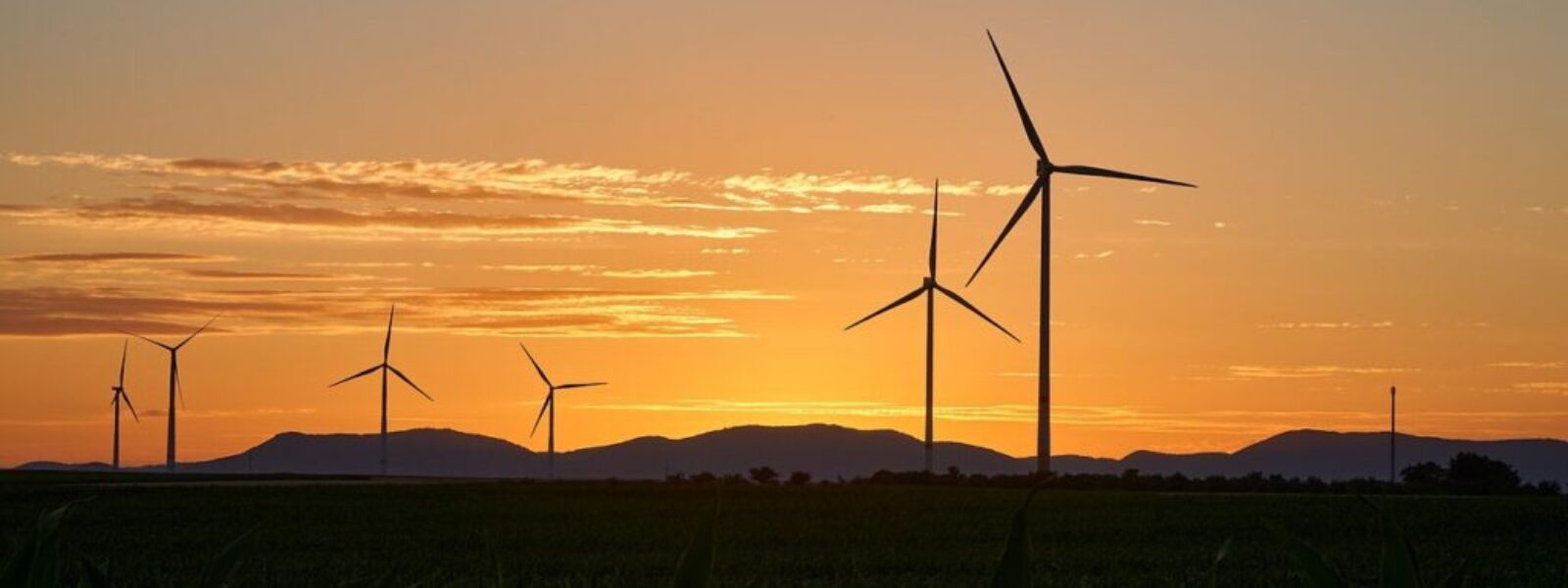
Everyone loves renewable energy in theory, but try building a wind farm in someone’s backyard and watch the environmental credentials evaporate. From Taranaki to Canterbury, proposed clean energy projects are facing fierce local resistance that’s slowing everything down.
The resource consent process wasn’t designed for the scale of renewable development we need to hit our targets. Each project becomes a multi-year legal battle, complete with environmental impact assessments that often contradict each other depending on who’s paying for them.
Even when projects get approval, construction timelines are stretching out due to skilled labour shortages and supply chain issues. The gap between announcements and actual power generation is becoming embarrassingly large.
4. Electric vehicle adoption is plateauing faster than predicted
The early EV adopters have mostly made their switch, but the mass market transition is proving much stickier. Range anxiety remains real, charging infrastructure outside main centres is patchy, and the price gap with conventional vehicles is still substantial for most households.
Government incentives helped create an initial surge, but that’s now flattening out. The used EV market hasn’t developed the depth needed to make electric vehicles accessible to average earners, and new vehicle supply chains remain constrained.
Transport emissions make up nearly 20% of our total emissions, so if the EV transition stalls, hitting our overall targets becomes exponentially harder. The government is starting to realise that subsidies alone won’t solve this puzzle.
5. International carbon markets aren’t the saviour we hoped
New Zealand has been banking heavily on being able to purchase international carbon credits to meet our commitments, but these markets are proving less reliable and more expensive than expected. Quality credits that actually represent real emissions reductions are becoming scarce and costly.
Many international offset projects have been exposed as questionable at best, fraudulent at worst. This means New Zealand will likely need to do more domestic reduction than originally planned, which makes everything harder and more expensive.
The Paris Agreement’s Article 6 mechanisms were supposed to create a robust international carbon market, but implementation has been slow and full of disputes. We can’t rely on buying our way out of this problem.
6. The economic costs are front-loading faster than benefits
Climate action requires massive upfront investments that won’t pay off for years, but voters experience the costs immediately through higher energy prices, increased compliance costs, and economic disruption. The political timeline doesn’t match the climate timeline.
Small businesses are struggling with new reporting requirements and carbon accounting that they’re not equipped to handle. The administrative burden is real and growing, especially for export-oriented industries trying to meet international environmental standards.
Meanwhile, the promised green jobs boom hasn’t materialised at the scale or speed predicted. Retraining programmes are slow, and many of the new opportunities require skills that take years to develop.
7. Public support is softening as reality bites
Polling consistently shows New Zealanders support climate action in principle, but that support weakens quickly when specific costs and trade-offs become clear. The gap between aspirational support and willingness to pay is wider than politicians want to admit.
Younger voters remain strongly committed to climate action, but they’re not yet the decisive electoral bloc that determines policy. Middle-aged homeowners worried about mortgage rates and cost of living are proving more influential in shaping political responses.
The challenge for any government is maintaining public buy-in for policies that impose immediate costs for long-term benefits. History suggests this is extremely difficult in democratic systems, especially during economic uncertainty.
The path to carbon zero remains technically possible, but the political and economic obstacles are proving more formidable than anyone anticipated in 2019. Success will require more pragmatic policy design, better public communication about trade-offs, and probably some luck with technological developments and international cooperation. The easy part of climate policy — making commitments — is over.