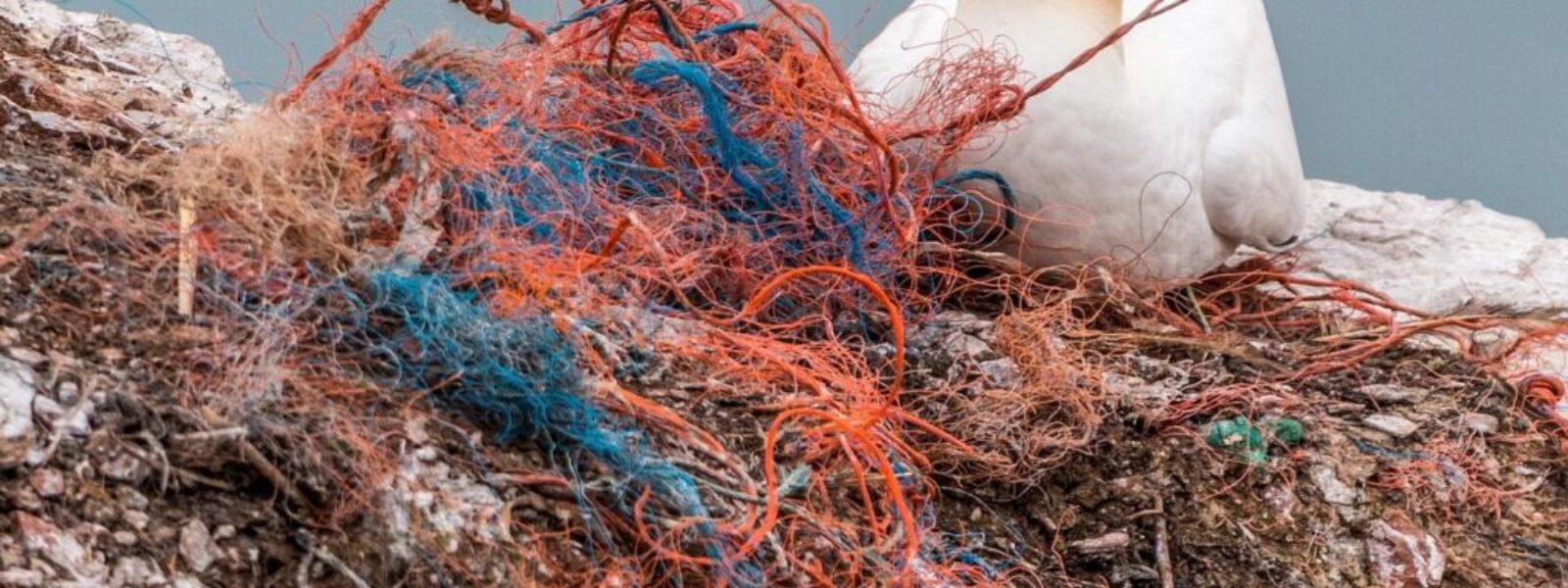
Environment Protection Authority Flags Microplastics Crisis in New Zealand Waters
The Environmental Protection Authority has released damning new data showing microplastic contamination in New Zealand’s coastal waters has increased by 34% over the past three years. Scientists warn this invisible pollution crisis threatens marine ecosystems and could be entering our food chain at unprecedented levels.
New Zealand’s pristine coastal reputation is under siege from an enemy you can’t see – microplastics. Fresh data from the Environmental Protection Authority shows contamination levels that should have every Kiwi worried about what’s happening beneath our supposedly clean green surface.
Microplastic contamination levels
The numbers are stark: microplastic particles in our coastal waters have jumped from an average of 0.8 particles per cubic metre in 2023 to 1.07 particles in 2026. That might sound small, but according to Environmental Protection Authority, the finding showed contamination rates now exceed international concern thresholds in 60% of monitored sites around our coastline.
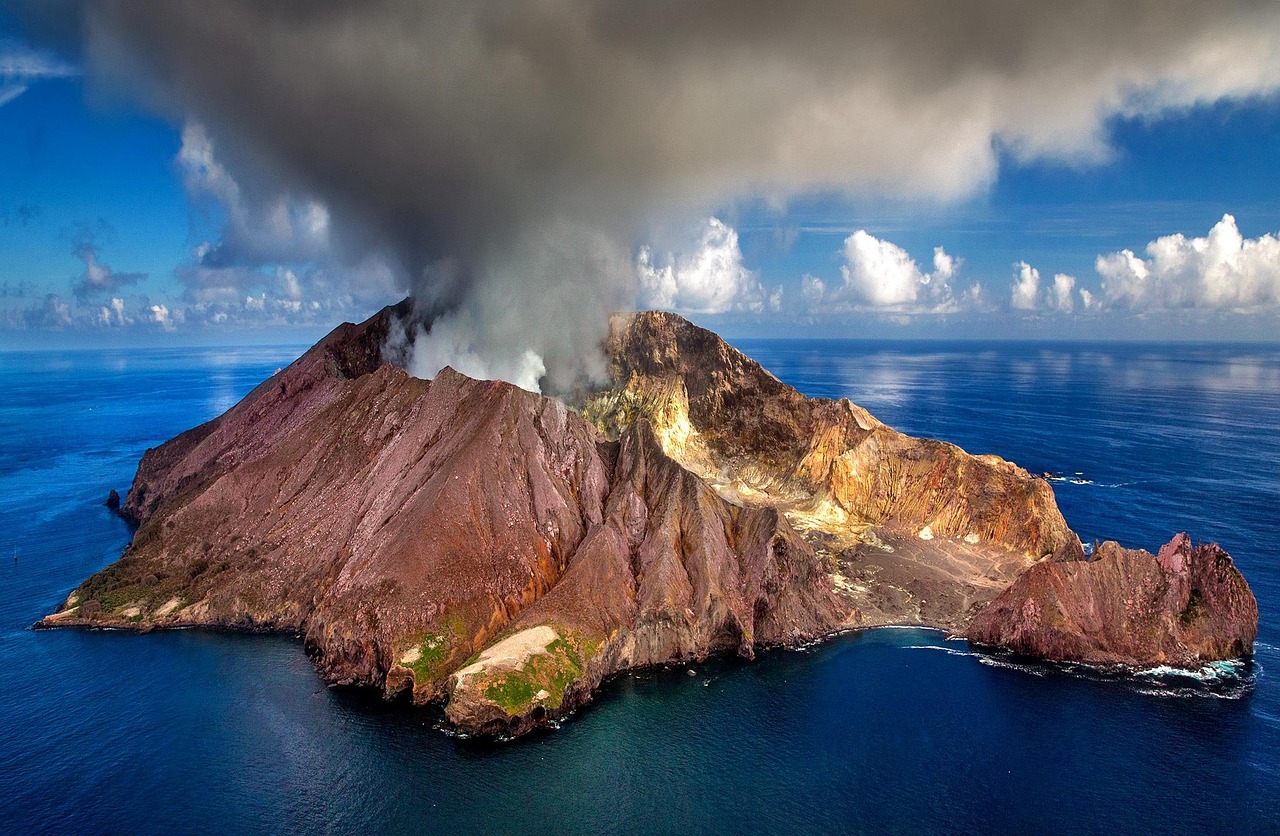
Hotspots Emerge Around Major Centres
The worst contamination clusters predictably around our major population centres. Auckland’s Hauraki Gulf recorded the highest levels at 2.3 particles per cubic metre, followed by Wellington Harbour at 1.8 and Christchurch’s Pegasus Bay at 1.6.
“What we’re seeing is a direct correlation between urban density and microplastic pollution,” says Dr Sarah Mitchell, marine pollution specialist at NIWA. “These particles are coming from multiple sources – synthetic clothing fibres, tyre dust, cosmetics, and the breakdown of larger plastic waste.”
But here’s the kicker: even our supposedly pristine remote areas aren’t immune. Fiordland’s Milford Sound recorded 0.4 particles per cubic metre – lower than urban areas, but still present in waters that should be untouched.
“The fact we’re finding microplastics in Fiordland tells us this isn’t just a local pollution problem,” Mitchell explains. “Ocean currents are distributing these particles globally. Our isolation isn’t protecting us anymore.”
Food Chain Contamination Concerns
The real worry isn’t just environmental – it’s what these particles mean for our dinner plates. Green-lipped mussels, paua, and other shellfish are filter feeders, essentially biological vacuum cleaners sucking up everything in the water column.
“We’re finding microplastics in 73% of shellfish samples from contaminated areas,” reports Dr James Chen from Cawthron Institute. “The particles lodge in tissue and can concentrate up the food chain. We don’t yet fully understand the health implications, but early studies suggest potential endocrine disruption.”
The fishing industry is understandably nervous. New Zealand Seafood Industry Council chief executive Jeremy Helson isn’t mincing words: “This threatens our clean, green brand that’s worth billions to our export economy. International buyers are starting to ask tough questions about contamination levels.”
It’s a fair point. New Zealand’s seafood exports were worth $2.1 billion in 2025, built largely on our reputation for pristine waters. That premium could evaporate quickly if international markets lose confidence.
Regulatory Response Under Pressure
Environment Minister David Parker announced new measures this week, including mandatory microplastic monitoring for all major ports and a phase-out of single-use plastics in government departments by 2027. But critics say it’s too little, too late.
“We needed this action five years ago,” argues Greenpeace marine campaigner Jessica Walker. “Other countries are banning microplastic sources like synthetic turf and certain cosmetics. We’re still playing catch-up while our marine environment pays the price.”
The Government’s approach focuses heavily on source reduction – targeting synthetic textiles, improving waste management, and promoting plastic alternatives. But some scientists question whether this addresses the scale of the problem.
Uncertain Waters Ahead
What makes this crisis particularly challenging is the knowledge gaps. We’re still learning about microplastic sources, their long-term environmental impacts, and effective removal strategies. Ocean currents mean pollution from overseas also washes up on our shores, regardless of our domestic efforts.
The EPA’s monitoring programme will expand to 50 sites by 2027, providing better data on contamination patterns. But the question remains: will that data show improvement or continued degradation?
“We’re at a crossroads,” warns Dr Mitchell. “The next few years will determine whether we can turn this around or whether microplastic contamination becomes permanently embedded in our marine ecosystems. The choices we make now will echo for decades.”
For a country that prides itself on environmental stewardship, these findings are a wake-up call. Our ‘clean green’ brand isn’t just marketing – it’s our economic and environmental lifeline. Losing it to invisible plastic pollution would be the ultimate Kiwi irony.