Auckland’s Café Culture Crisis: How Rising Rents Are Killing Our Lifestyle Hubs
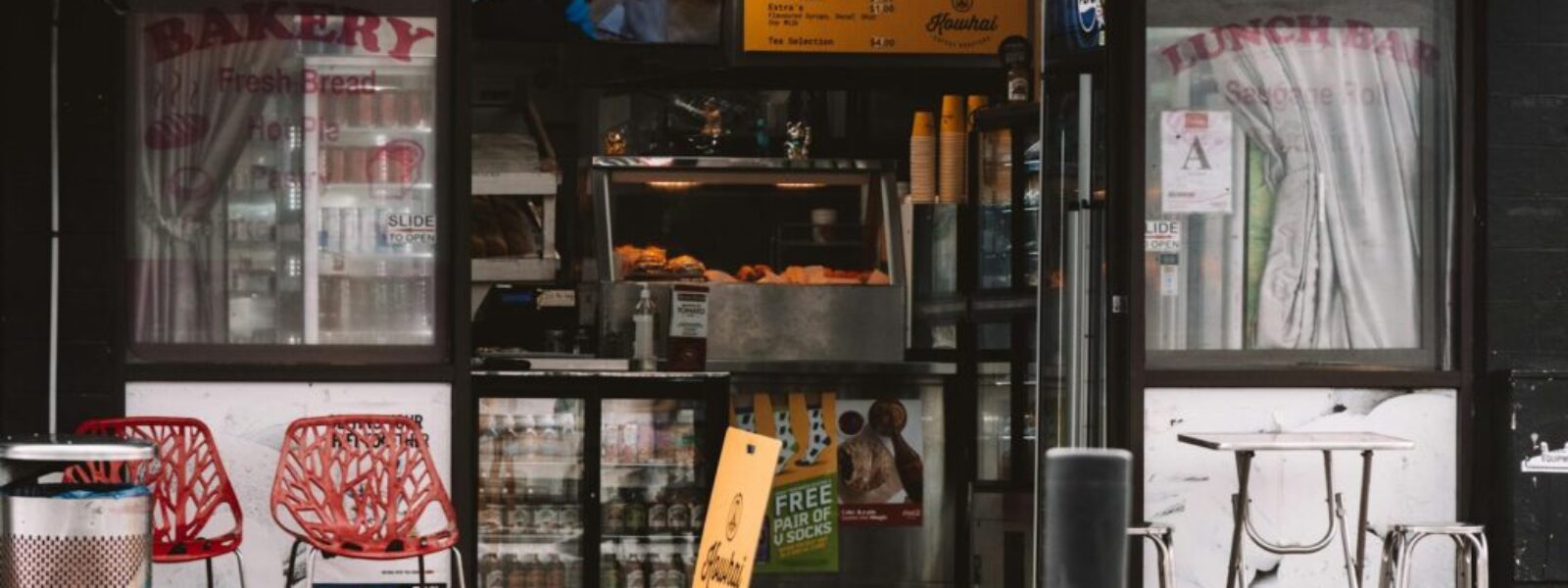
Auckland’s beloved café culture is facing an existential crisis as commercial rents have surged 40% across prime locations in the past 18 months. Industry veterans warn that the city’s lifestyle identity could be permanently altered as iconic coffee spots close their doors.
Commercial property rents in Auckland’s café hotspots have jumped to an average of $85 per square metre in prime locations like Ponsonby and Grey Lynn, forcing beloved lifestyle establishments to either dramatically increase prices or shut down entirely.
Auckland Café Crisis: Key Figures
The numbers paint a stark picture of an industry under siege. Since January 2025, Auckland has lost 127 independent cafés and coffee roasters, with many citing unsustainable lease renewals as the primary factor behind their closure.
The Human Cost Behind the Statistics
“We’ve watched our community gathering places disappear one by one,” says Sarah McKenzie, owner of Ponsonby’s recently shuttered Brew & Bite café. “When your rent goes from $4,200 to $7,800 a month overnight, there’s simply no way to make the maths work without charging $8 for a flat white.”
McKenzie’s story echoes across Auckland’s lifestyle precincts. The closure of established venues isn’t just an economic issue – it’s fundamentally reshaping how Aucklanders live, work, and socialise.
Restaurant Association CEO Marisa Bidois confirms the broader trend: “What we’re seeing is the hollowing out of Auckland’s café culture. These aren’t just businesses closing – they’re community hubs that define our lifestyle and social fabric.”
Suburbs Losing Their Identity
The impact varies dramatically across Auckland’s lifestyle districts. Ponsonby has lost 18 cafés in 12 months, while traditionally affordable areas like Mt Eden and Sandringham are experiencing their first wave of closures as gentrification accelerates.
According to New Zealand Productivity Commission, the finding showed that commercial property speculation has created artificial scarcity in lifestyle precincts, driving rents beyond sustainable levels for small hospitality businesses.
“Kingsland used to have 12 independent coffee spots within a three-block radius,” explains local resident and coffee enthusiast Tom Bradley. “Now we’re down to four, and two of those are struggling. It’s not just about convenience – these places were where neighbours met, where freelancers worked, where the community actually existed.”
The Chain Store Invasion
As independent operators fold, their spaces are increasingly filled by international chains with deeper pockets and standardised offerings. Starbucks, Costa Coffee, and local franchise operations are expanding rapidly into former community café spaces.
Urban planning expert Dr. Lisa Chen from Auckland University warns this trend could permanently alter Auckland’s lifestyle character. “When you replace locally-owned, character-rich cafés with cookie-cutter chains, you’re not just changing the coffee – you’re fundamentally changing how communities interact and identify with their neighbourhoods.”
The shift is already visible in areas like Newmarket, where four independent cafés have been replaced by chain operations in the past six months alone.
Fighting Back: Community Solutions
Some neighbourhoods are pushing back against the trend. Grey Lynn residents have established a community fund to help local cafés negotiate rent increases, while Devonport’s business association is lobbying Auckland Council for commercial rent stabilisation measures.
“We realised that losing our local café meant losing part of what made our street special,” says Grey Lynn resident collective organiser Jane Walsh. “So we’re crowd-funding rent support and negotiating group insurance deals. It’s about preserving our lifestyle, not just supporting a business.”
What Lies Ahead
The outlook remains uncertain as Auckland Council considers new commercial tenancy regulations and the Reserve Bank signals potential interest rate changes that could affect property values.
Industry observers suggest the next 12 months will be crucial in determining whether Auckland’s café culture can adapt and survive, or whether the city’s lifestyle identity will be permanently reshaped by economic pressures beyond local control.