World Leaders Eye New Zealand’s Nuclear-Free Legacy as Global Tensions Rise
New Zealand’s nuclear-free stance is gaining fresh attention as global nuclear tensions reach heights not seen since the Cold War. International observers are examining whether our four-decade commitment offers a viable path forward, or if it’s increasingly irrelevant in today’s multipolar world.
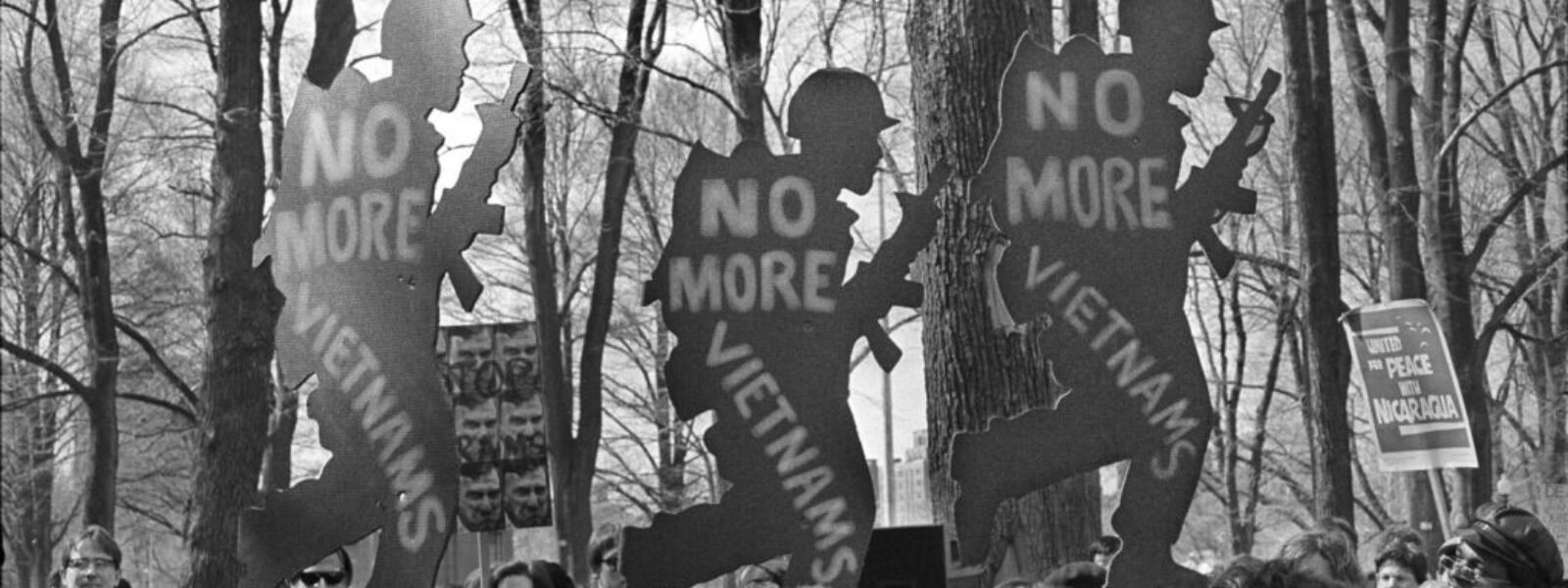
1. The nuclear moment — The world is having a nuclear reckoning. Russia’s threats over Ukraine, China’s military buildup in the Pacific, and the collapse of multiple arms control treaties have thrust nuclear policy back into the spotlight. Suddenly, New Zealand’s 1987 Nuclear Free Zone, Disarmament, and Arms Control Act isn’t just a historical curiosity — it’s being studied by foreign policy institutes from Washington to Geneva as a case study in principled neutrality. The timing couldn’t be more pointed, with June marking the 37th anniversary of the legislation that defined our international identity.
Nuclear-Free New Zealand by Numbers
2. Global validation brewing — International think tanks are quietly crediting New Zealand’s approach as prescient rather than naive. The European Council on Foreign Relations recently highlighted our nuclear-free policy as an example of “strategic autonomy” that smaller nations can maintain without compromising security. Even more telling, Pacific Island nations are explicitly modeling climate and security policies on New Zealand’s framework, seeing our stance as proof that principled positions can coexist with strong international relationships. The irony isn’t lost — what once made us a pariah in certain circles now positions us as thought leaders.
3. The economic dividend — Here’s where it gets interesting for New Zealand Inc. Our nuclear-free brand has become a genuine economic asset, particularly in attracting investment from ESG-focused funds and clean technology companies. According to Motu Economic and Public Policy Research, the finding showed environmental positioning contributes significantly to New Zealand’s country brand value, estimated at over $2 billion annually. Silicon Valley firms and European green energy investors specifically cite our nuclear-free status as a factor in location decisions. It’s soft power with hard cash attached — exactly the kind of competitive advantage small nations need.
4. Pacific complications emerging — But here’s where our nuclear-free idealism meets geopolitical reality. China’s military expansion in the Pacific is forcing uncomfortable questions about New Zealand’s security arrangements. Can we maintain our nuclear-free stance while relying on nuclear-armed allies for protection? The AUKUS submarine deal has already highlighted these contradictions — we support Australia’s right to nuclear-powered subs while maintaining our own prohibition. It’s diplomatically elegant but strategically ambiguous, and that ambiguity might not survive a genuine crisis.
5. The credibility test — The real test isn’t whether our nuclear-free policy feels good — it’s whether it remains credible as regional tensions escalate. Recent polling shows 73% of New Zealanders still support the nuclear-free stance, but that support hasn’t been tested under genuine threat. Look at Sweden and Finland abandoning decades of neutrality to join NATO after Russia’s invasion of Ukraine. Principles are wonderful until survival is at stake. The question for New Zealand is whether our geographic isolation provides enough buffer to maintain our moral stance, or whether we’re simply lucky enough not to have faced a real test yet.
6. Leadership opportunity knocking — Despite the challenges, there’s a genuine opportunity here for New Zealand to lead global discussions on nuclear disarmament. With traditional powers locked in nuclear posturing, smaller nations are increasingly looking for alternative models. New Zealand could host international forums on nuclear-free zones, lead by example in the Pacific, and use our clean reputation to broker discussions others can’t. The key is leveraging our moral authority before geopolitical realities force us into compromises that undermine our position.
7. The verdict ahead — New Zealand’s nuclear-free legacy faces its biggest test since 1987. We can either use this moment to cement our role as a principled voice in global affairs, or watch our stance become increasingly irrelevant as great power competition intensifies. The smart money says we’ll find a middle path — maintaining our nuclear-free principles while quietly accepting the nuclear umbrella our allies provide. It’s pragmatic, it’s Kiwi, and it might just be the compromise that keeps both our conscience and our security intact. But don’t expect our politicians to admit that contradiction anytime soon.