Climate Change Costs Hit New Zealand Harder Than Expected: 7 Things You Need to Know
New research shows climate change is hitting New Zealand’s wallet harder and faster than anyone predicted, with economic impacts already exceeding government projections by billions. From skyrocketing insurance premiums to crumbling coastal infrastructure, the true cost of our changing climate is finally coming into sharp focus.
While politicians have spent years debating carbon taxes and emission targets, the economic reality of climate change has been quietly reshaping New Zealand from the ground up. The latest data paints a picture that should make every Kiwi sit up and take notice – because we’re all paying for it, whether we realise it or not.
Climate Cost Breakdown
1. Insurance Premiums Are About to Go Through the Roof
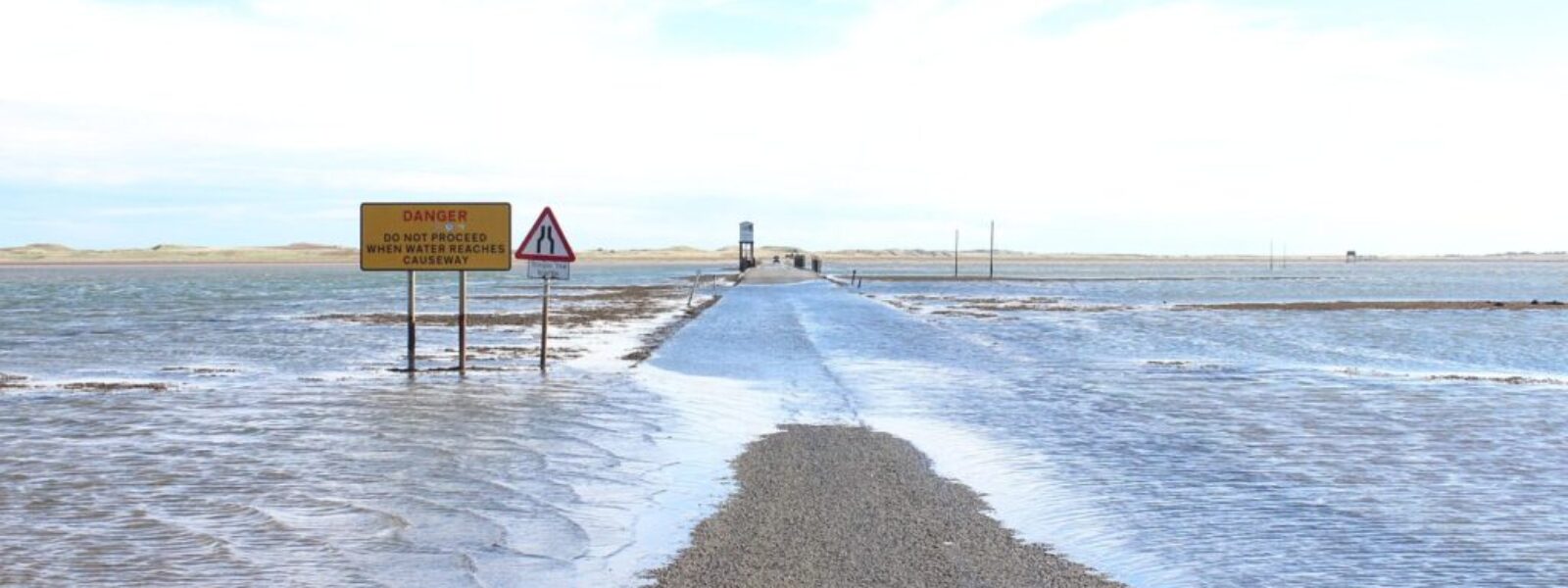
Home insurance costs have already jumped 40% in high-risk areas over the past three years, and that’s just the beginning. Insurers are now using sophisticated climate modelling that shows much of New Zealand’s coastal property will become uninsurable within the next decade.
The knock-on effects are brutal. Property values in vulnerable areas are starting to crater as buyers struggle to secure affordable cover. Meanwhile, those lucky enough to live in lower-risk zones are subsidising everyone else through higher premiums across the board.
What’s particularly galling is that many of these risk assessments are based on conservative climate projections. If sea level rise accelerates faster than expected – and recent Antarctic ice sheet data suggests it might – we could see entire suburbs become insurance wastelands.
2. Our Infrastructure Bill Is Absolutely Massive
The government’s own numbers show we need to spend at least $30 billion over the next 20 years just to climate-proof existing infrastructure. That’s roads, bridges, water systems, and coastal defences – basically everything that keeps modern New Zealand functioning.
But here’s the kicker: those estimates were based on 2021 climate projections that now look optimistic. More recent modelling suggests the actual bill could hit $50 billion or more. That’s roughly $10,000 for every man, woman, and child in the country.
Local councils are already buckling under the pressure. Several regional authorities have quietly admitted they can’t afford the upgrades needed to protect their communities, meaning central government will inevitably have to step in – with our tax dollars.
3. Agriculture Is Taking a Hidden Beating
While farmers publicly downplay climate impacts, the numbers tell a different story. Drought-related losses alone cost the agricultural sector $2.8 billion last year, with productivity declining in key regions as rainfall patterns shift and extreme weather events become more frequent.
The wine industry provides a perfect case study. Marlborough vintners are already replanting vineyards at higher altitudes and investing millions in climate-controlled facilities. Similar adaptations are happening across dairy, horticulture, and sheep farming – all costs that eventually flow through to consumers.
According to Motu Economic Research, the agricultural adaptation costs could reach $15 billion by 2040 if current trends continue. That’s not just a problem for farmers – it’s a problem for everyone who eats.
4. Tourism’s Climate Bill Is Mounting Fast
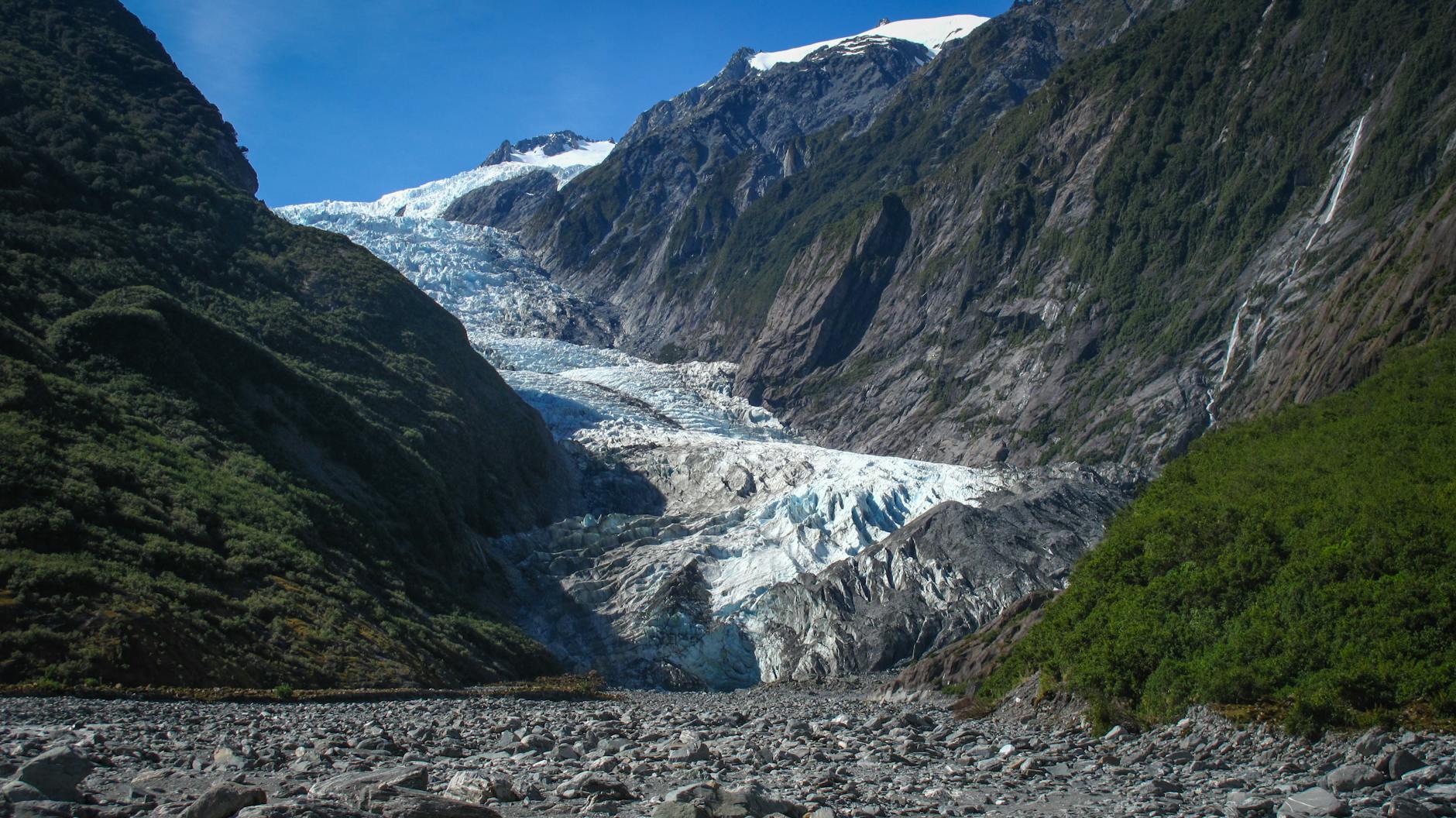
New Zealand’s tourism industry markets itself on pristine natural environments, but those environments are changing rapidly. Ski fields are shortening their seasons, glaciers are retreating, and iconic hiking trails are being damaged by increasingly severe weather.
The response has been expensive retrofitting and constant maintenance. Queenstown alone has spent $200 million in the past five years on climate-related tourism infrastructure upgrades. Small operators are being priced out entirely.
More concerning is the reputational risk. International visitors are becoming increasingly climate-conscious, and New Zealand’s clean, green image is under pressure as our emissions remain stubbornly high while our landscapes visibly change.
5. Health Costs Are Spiralling Upward
Climate change isn’t just an environmental issue – it’s a major health cost driver that’s flying under the radar. Heat-related hospital admissions have tripled in the past decade, while air quality issues from increased wildfire activity are triggering respiratory problems nationwide.
The mental health impacts are equally significant but harder to quantify. Communities dealing with repeated flooding, drought, or coastal erosion show measurably higher rates of anxiety and depression. These are real costs hitting our already stretched health system.
Vector-borne diseases are also creeping south as temperatures rise. The Ministry of Health is quietly preparing for tropical diseases that were never previously a New Zealand concern – preparation that costs money and resources.
6. Energy Costs Are All Over the Place
Our electricity system is becoming increasingly volatile as climate change affects both supply and demand. Hydro generation – still our biggest power source – is at the mercy of changing rainfall patterns that are becoming harder to predict.
The dry winter of 2025 forced massive imports of expensive coal-fired power, adding hundreds of millions to energy costs. Meanwhile, summer cooling demands are soaring as temperatures climb, creating new peak load challenges that require costly grid upgrades.
The transition to renewable energy is essential but expensive. The government’s own estimates suggest we need $20 billion in new generation and transmission infrastructure by 2035 – costs that will inevitably flow through to power bills.
7. The Adaptation Gap Is Getting Worse
Perhaps most troubling is the growing gap between what we know we need to do and what we’re actually doing. Every year of delay makes the eventual adaptation costs higher, yet political and economic pressures keep pushing decisive action into the future.
Coastal communities are the perfect example. We know which areas will flood, we know roughly when, and we know retreat will eventually be necessary. But the political impossibility of managed retreat means we keep spending money on temporary fixes while property values slowly collapse.
The same pattern is playing out across sectors. We’re consistently choosing the expensive, slow-adaptation path over more radical but cost-effective solutions, largely because the political costs of bold action seem higher than the economic costs of muddling through.
The uncomfortable truth is that climate change costs are no longer a future problem – they’re a present reality that’s reshaping New Zealand’s economy whether we acknowledge it or not. The only question now is whether we’ll start planning intelligently for these costs or keep getting blindsided by them year after year.