Environment Crisis: New Zealand’s Carbon Budget Blown Wide Open
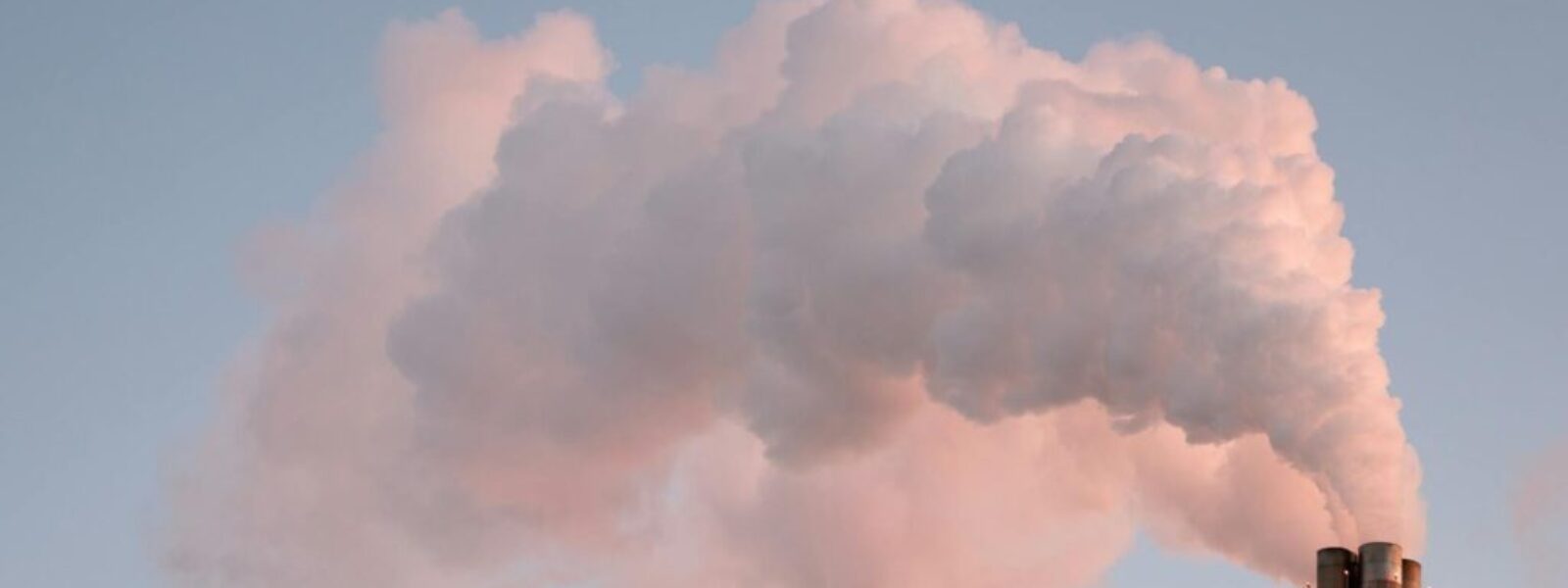
New Zealand’s carbon emissions have surged well beyond projected limits, putting our 2030 environment targets in serious jeopardy. The latest data shows we’re burning through our carbon budget faster than a tourist through their holiday cash, raising uncomfortable questions about whether our climate commitments were ever realistic.
The Numbers Don’t Lie
Let’s cut through the political spin and look at what’s actually happening. According to Stats NZ, the finding showed our greenhouse gas emissions have increased by 3.2% over the past year, marking the steepest rise since pre-COVID levels. This isn’t just a blip – it’s a trend that’s making our already ambitious climate targets look downright fantastical.
New Zealand's Carbon Reality Check
The transport sector continues to be our biggest climate villain, accounting for nearly half of our total emissions increase. Despite all the government rhetoric about electric vehicles and public transport improvements, Kiwis are driving more than ever. The post-pandemic shift to remote work was supposed to reduce commuting, but instead we’ve seen a boom in recreational travel and freight movement that’s more than offset any gains.
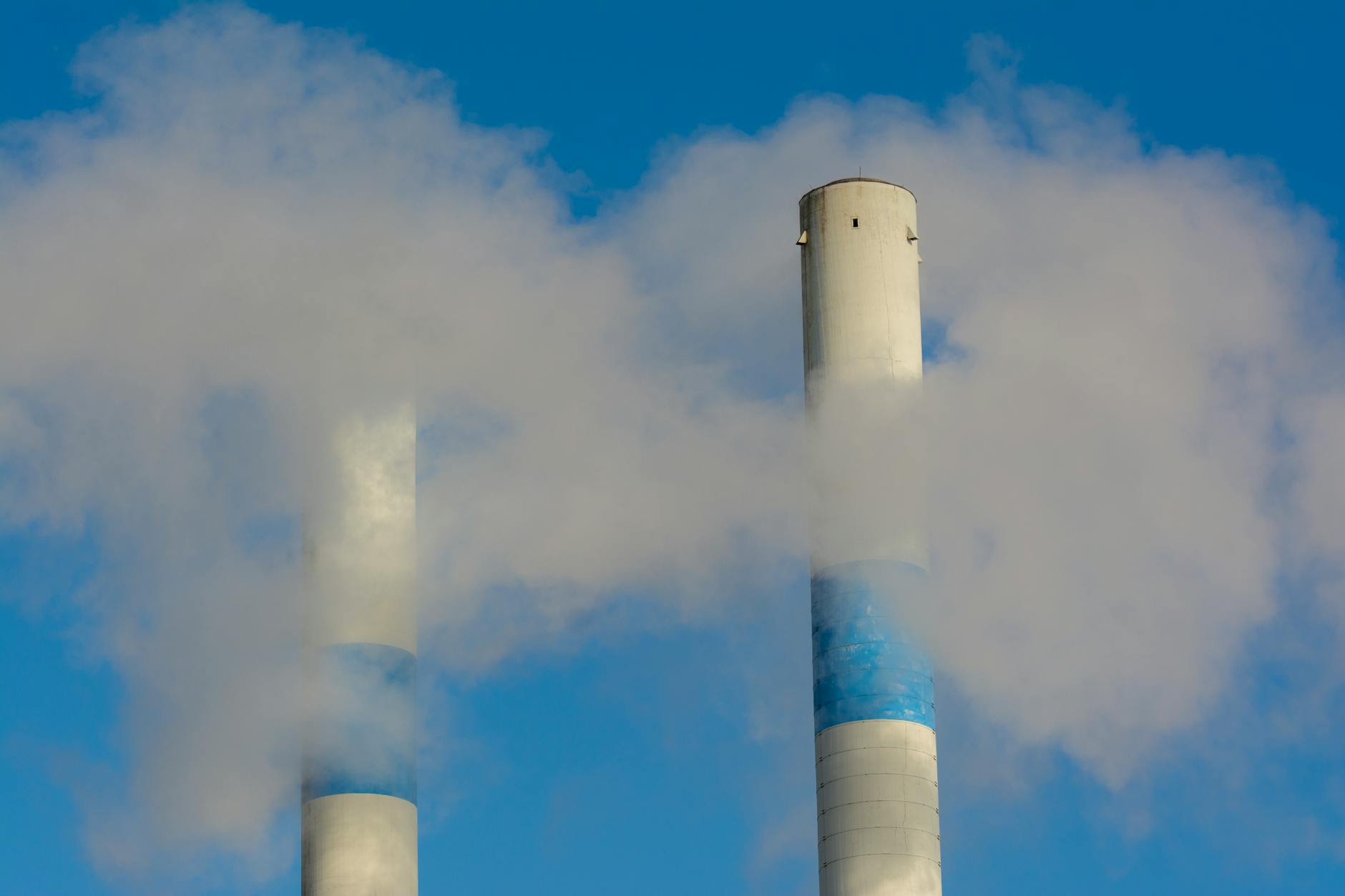
What’s particularly galling is that this surge comes at a time when we’re supposed to be hitting our stride on emissions reduction. The Zero Carbon Act promised a steady decline toward our 2030 targets, but we’re moving in entirely the wrong direction. It’s like trying to lose weight while increasing your daily calorie intake – the maths simply doesn’t work.
Agriculture’s Convenient Immunity
Here’s where the conversation gets uncomfortable for rural New Zealand. Our agricultural sector, which accounts for roughly half of our total emissions, has essentially been given a free pass while everyone else scrambles to reduce their carbon footprint. The government’s decision to exclude agriculture from the Emissions Trading Scheme until 2025 was supposed to give farmers time to adapt, but adaptation has been glacially slow.
Dairy farming remains the elephant in the room – or should we say, the cow in the paddock. Methane emissions from livestock haven’t budged meaningfully despite years of research into feed additives and breeding programmes. Meanwhile, farmers continue to cite economic pressures and technical limitations as barriers to meaningful change. It’s a classic case of having your cake and eating it too, except the cake is contributing to planetary warming.
The irony is that agriculture is also one of the sectors most vulnerable to climate change impacts. Rising temperatures, changing rainfall patterns, and extreme weather events are already affecting crop yields and pasture quality. You’d think this would create urgency for change, but the sector seems more focused on protecting short-term profitability than ensuring long-term viability.
The ETS Shell Game
Our Emissions Trading Scheme was supposed to be the market-based solution that would drive down emissions efficiently. Instead, it’s become a elaborate shell game where the real action happens in accounting tricks rather than actual emissions reductions. Carbon prices have been more volatile than cryptocurrency, swinging from under $30 to over $85 per tonne in the past two years alone.
The fundamental problem is that we’re still allowing too many free allocations to heavy emitters while simultaneously flooding the market with international carbon credits of questionable quality. It’s like trying to lose weight by buying smaller clothes – you might feel better about the numbers, but the underlying problem remains unchanged.
Offshore wind farms and pine plantations are being touted as our salvation, but the timeline for meaningful contribution from these projects extends well beyond our 2030 commitments. We’re essentially betting our climate credibility on technologies and infrastructure that don’t yet exist at scale. It’s a risky strategy that assumes everything will go according to plan – and when has that ever happened with major infrastructure projects in New Zealand?
The Infrastructure Reality Check
Even if we had unlimited political will and public support for rapid decarbonisation, our infrastructure simply isn’t ready. The electricity grid struggles to cope with current demand, let alone the massive increase required if we successfully electrify transport and heating. Our public transport networks remain woefully inadequate outside of Auckland and Wellington, making car dependency an unavoidable reality for most Kiwis.
The government’s clean car discount scheme has had some success in boosting electric vehicle uptake, but it’s been overwhelmed by the broader trend toward larger, heavier vehicles. SUVs and utes now dominate new car sales, effectively cancelling out efficiency gains from hybrid and electric options. We’re cleaning up our act with one hand while making it dirtier with the other.
Housing presents another massive challenge. Our building stock is among the least energy-efficient in the developed world, and the retrofit required to bring existing homes up to modern standards would take decades even with aggressive policy intervention. New building codes are improving energy efficiency for new construction, but with our housing shortage, the focus remains on quantity over quality.
The Political Hot Potato
Climate policy has become the ultimate political hot potato – everyone knows it needs urgent attention, but nobody wants to be the one holding it when it explodes. The current government talks a good game on climate action, but consistently chooses economic growth over emissions reduction when push comes to shove. Opposition parties aren’t much better, offering criticism without credible alternatives.
The reality is that meaningful climate action requires short-term economic pain for long-term environmental gain – precisely the kind of trade-off that democratic politics handles poorly. Voters say they care about climate change, but they also want cheap petrol, affordable electricity, and economic growth. Squaring this circle requires leadership that’s willing to have honest conversations about costs and trade-offs.
International comparisons don’t flatter us either. Countries like Denmark and Sweden have managed to decouple economic growth from emissions growth, but they started their transition decades earlier and have fundamentally different energy profiles. We’re trying to catch up while maintaining our export-dependent economy and car-centric lifestyle – it’s a much harder challenge than our politicians are willing to admit.
The Path Forward
So where does this leave us? The honest answer is in a hole that’s getting deeper by the day. Our 2030 emissions targets are almost certainly unachievable without dramatic policy changes that no political party is currently willing to contemplate. We need to stop pretending that incremental changes and market mechanisms will be sufficient and start having serious conversations about rationing, regulation, and redistribution.
The alternative is to quietly abandon our climate commitments while maintaining the fiction that we’re still on track. This might be politically convenient in the short term, but it stores up massive problems for the future. Climate change doesn’t care about our political cycles or economic preferences – the physics of greenhouse gas accumulation continues regardless of our policy announcements.
Perhaps it’s time to admit that our current approach isn’t working and start over with a more realistic assessment of what’s actually achievable. That might mean later target dates, higher carbon prices, or more aggressive regulation – none of which will be popular, but all of which might be necessary if we’re serious about our environmental commitments rather than just our environmental rhetoric.