
7 things you need to know about New Zealand’s carbon credit crisis
New Zealand’s carbon credit system is in meltdown as millions of dodgy overseas credits get axed from our emissions trading scheme. The government’s scrambling to fix a system that’s been propping up polluters with phantom forest offsets.
The chickens have come home to roost on New Zealand’s carbon credit addiction. After years of buying cheap overseas offsets to meet our climate targets, we’re discovering that half of them were about as genuine as a $3 note. Now the government’s announcing emergency reforms to the Emissions Trading Scheme that could send carbon prices through the roof and leave businesses scrambling for Plan B.
Carbon credit crisis by numbers
1. Millions of phantom forest credits just got the boot
The Ministry for the Environment has quietly removed over 40 million international carbon credits from New Zealand’s registry after verification studies showed the underlying forest projects either never existed or were grossly overstated. These weren’t small-scale dodgy deals either – we’re talking about massive plantation schemes across Southeast Asia and South America that companies like Fonterra and Contact Energy were relying on to offset their emissions.
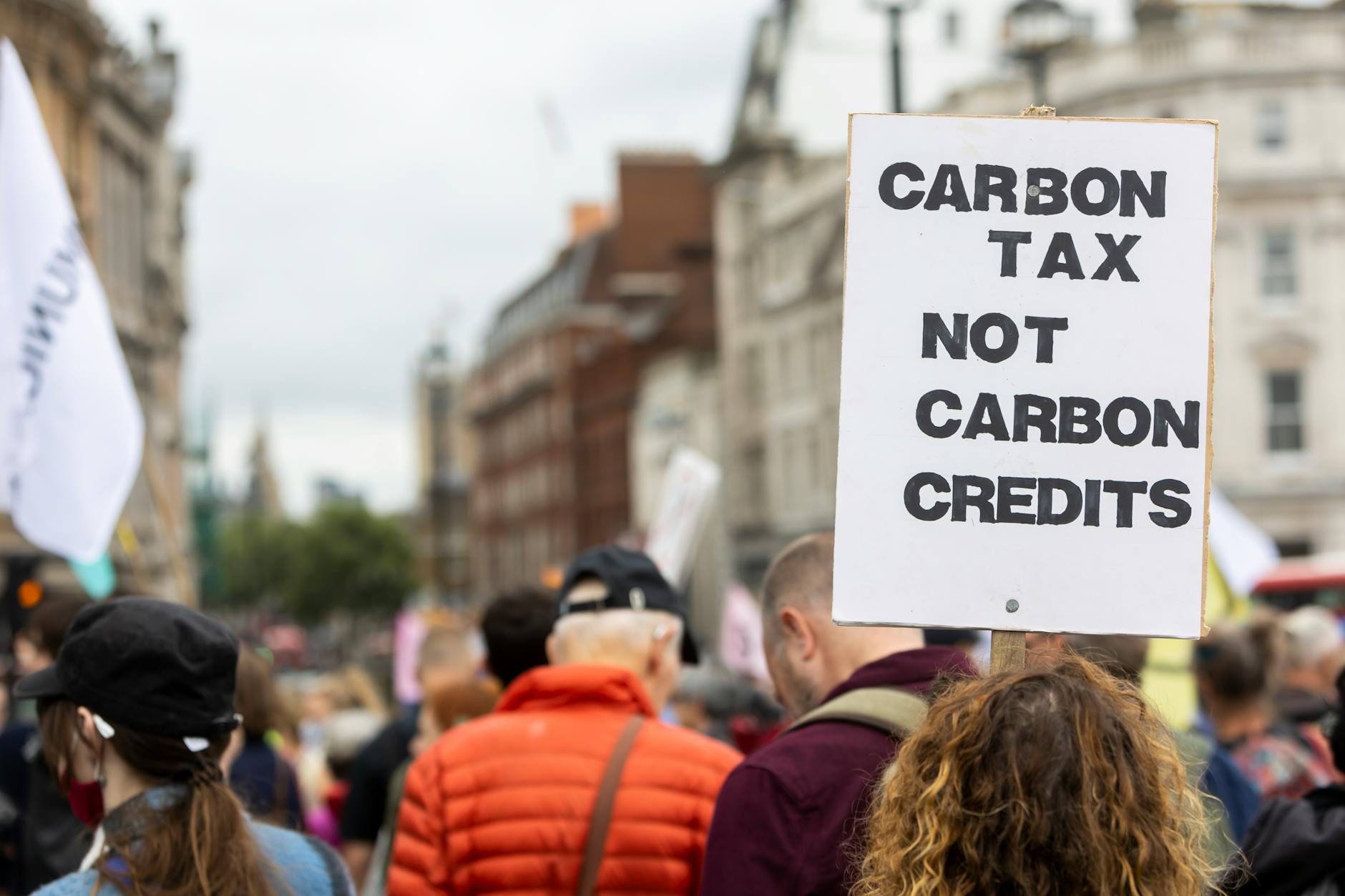
The scale of the problem is staggering. PwC’s latest carbon markets review found that up to 60% of international forestry offsets purchased by New Zealand entities between 2020-2025 failed basic additionality tests. That means billions of dollars spent on credits that were never going to deliver actual carbon reductions.
What’s particularly galling is that this was predictable. Environmental groups have been screaming about offset quality for years, but the previous government kept the cheap credit tap flowing because it made our emissions numbers look better on paper.
2. Carbon prices are about to go ballistic
With millions of dodgy credits suddenly off the table, basic supply and demand economics tells us what’s coming next. Carbon prices in the ETS have already jumped 40% since the registry clean-up began in March, and they’re heading north of $100 per tonne faster than you can say “stranded assets.”
For context, we were sitting pretty at around $60 per tonne when businesses could still buy cheap international offsets. Now that the training wheels are off, we’re discovering what genuine domestic carbon reduction actually costs. Spoiler alert: it’s expensive.
3. The new rules will separate the wheat from the chaff
Starting January 2027, only domestically verified carbon credits will count toward ETS obligations. That means no more buying dodgy forest credits from countries with questionable governance systems. If you want to offset your emissions, you’ll need to plant trees in New Zealand dirt or invest in verified carbon capture technology on our shores.
The government’s also introducing mandatory third-party audits for all forestry projects claiming carbon credits. Every tree will need GPS coordinates, growth rate monitoring, and fire risk assessments. It’s bureaucracy-heavy, but after the phantom forest debacle, nobody’s taking chances.
4. Big emitters are panicking (and rightly so)
Industrial players who’ve been coasting on cheap offsets are now staring down the barrel of massive compliance costs. Steel manufacturers, cement producers, and large dairy operations are looking at potential carbon bills that could run into hundreds of millions annually under the reformed system.
Some companies are already flagging potential plant closures or offshore relocations if they can’t find cost-effective ways to cut actual emissions. It’s carbon leakage in action – the very thing the ETS was supposed to prevent by keeping compliance costs manageable.
5. The forestry gold rush is about to get real
With international credits off the menu, domestic forestry is suddenly looking like the hottest investment game in town. Land prices for forestry-suitable blocks have already increased 25% this year as investors pile in, hoping to cash in on the carbon credit shortage.
But here’s the catch: it takes 10-15 years for pine forests to start generating meaningful carbon credits, and 20+ years for native forests. We’re looking at a massive supply-demand gap that won’t close until the 2040s, assuming we start planting aggressively now.
6. Innovation might be our only way out
The silver lining in this crisis is that genuine carbon reduction technologies are finally getting serious investment attention. Direct air capture, industrial process improvements, and renewable energy projects are all seeing increased funding as businesses realize they can’t offset their way out of this mess.
The government’s also fast-tracking approval processes for carbon reduction infrastructure, recognizing that bureaucratic delays are now a luxury we can’t afford. Expect to see more waste-to-energy plants, carbon capture facilities, and industrial efficiency upgrades getting green-lit in the coming years.
7. This could make or break our 2030 climate targets
The brutal math is that without cheap international offsets, New Zealand needs to cut actual emissions by 50% by 2030 to meet our climate commitments. That’s a massive ask when we’ve spent the last decade buying our way out of the problem rather than solving it.
The reformed ETS might finally create the price signals needed to drive real behavior change, but it’s going to be painful in the short term. Some economists are predicting GDP impacts of up to 2% as high-emitting industries adjust or relocate offshore.
The next few years will determine whether New Zealand emerges as a clean economy leader or becomes a cautionary tale about the perils of climate policy procrastination. Either way, the days of cheap and cheerful carbon credits are officially over – and it’s about time we faced up to the real cost of our emissions.