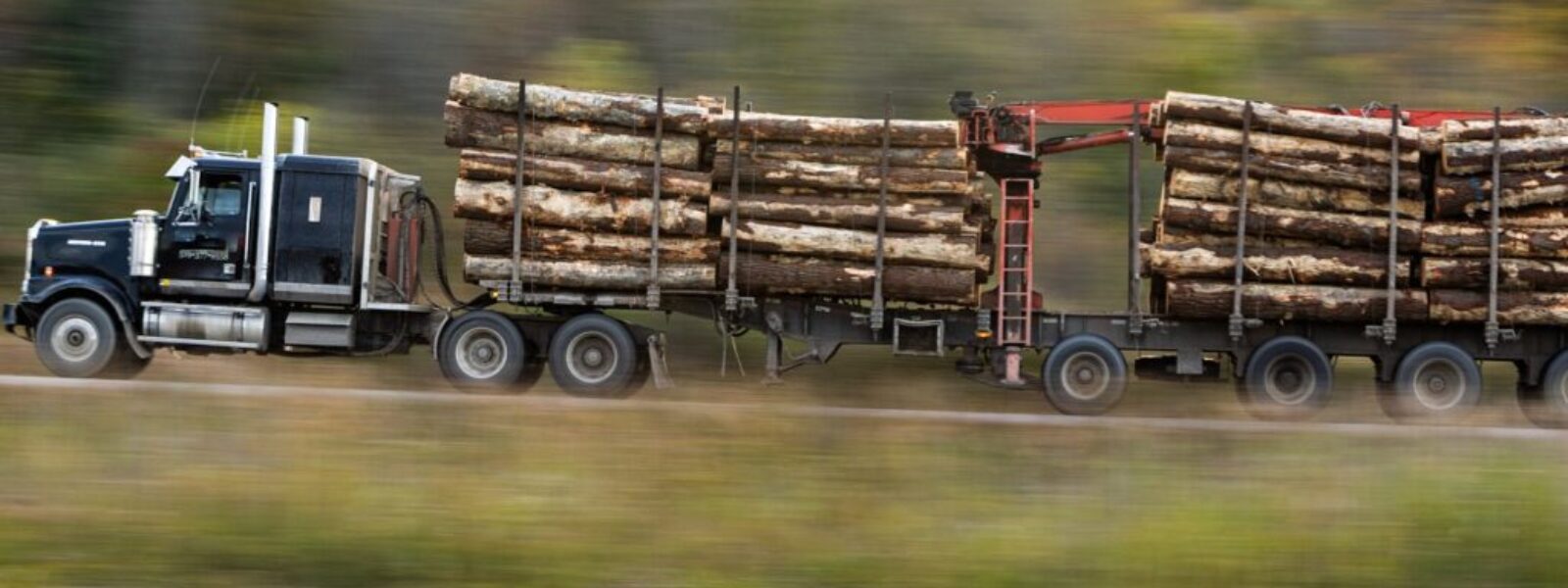
Environment: New Zealand’s Carbon Credit Scandal Deepens as Forest Owners Cash Out
New Zealand’s carbon credit system is unraveling as forest owners harvest trees en masse to cash in on high timber prices, wiping out years of climate progress. The government’s flagship environmental policy is facing its biggest test yet.
- Over 15,000 hectares of ETS forests cleared in past six months
- Carbon price hits $85/tonne as supply shrinks dramatically
- Government faces potential liability of $2.3 billion in repaid credits
- Timber prices up 180% since 2023, making harvest more profitable than credits
- Climate targets now at serious risk of being missed
The numbers don’t lie – New Zealand’s Emissions Trading Scheme is hemorrhaging carbon storage faster than a punctured balloon. What started as whispers in forestry circles has become a full-blown crisis that’s making our climate commitments look like wishful thinking.
Carbon Crisis by the Numbers
“We’re seeing an unprecedented wave of deforestation from ETS participants,” says Dr Sarah Mitchell, climate policy analyst at Victoria University. “When you can make three times more money cutting trees down than keeping them standing, the economics become pretty simple.”

The perfect storm hit when global timber demand spiked alongside construction booms in Australia and Asia. Suddenly, those radiata pine forests that landowners had planted for carbon credits became gold mines. According to Stats NZ, the finding showed timber export values jumped 180% since 2023, while carbon credit prices have stagnated.
Forest owner James Patterson from Taranaki doesn’t mince words: “I planted these trees to help the planet and make a living. Now I’m being offered $450,000 for timber that would earn me $180,000 in carbon credits over the next decade. It’s not even close.”
The government’s headache is just beginning
When forest owners harvest their trees early, they must repay all the carbon credits they’ve earned – plus interest. But here’s the kicker: most have already sold those credits to polluting industries who needed them for compliance. The Crown becomes the buyer of last resort, essentially paying twice for the same emissions reduction.
Climate Minister Alex Thompson’s office estimates the government could face up to $2.3 billion in repurchase costs if current harvesting trends continue. “We’re reviewing all our options, including potential changes to the surrender requirements,” Thompson told reporters last week, though he stopped short of announcing specific measures.
The irony is palpable. Industries like steel and cement bought these credits thinking they were offsetting their emissions permanently. Now those same “removed” emissions are heading straight back into the atmosphere via sawmill chimneys and decomposing slash.
“It’s environmental accounting at its worst,” argues Forest & Bird CEO Nicola Toki. “We’ve created a system where cutting down trees can be more climate-friendly on paper than leaving them standing.”
Some economists predicted this exact scenario when the ETS was expanded in 2019. Former Treasury adviser Mark Stevens warned that linking forestry credits directly to compliance markets created perverse incentives. “You can’t expect landowners to ignore market signals indefinitely,” Stevens says. “The policy was always vulnerable to commodity price shocks.”
International embarrassment looms
New Zealand’s reputation as a climate leader is taking a battering on the world stage. The country committed to net-zero emissions by 2050, with forestry offsets playing a crucial role. If the current harvesting wave continues, meeting even the interim 2030 targets becomes mathematically impossible.
“Other countries are watching this train wreck closely,” warns international climate analyst Dr Rebecca Foster. “New Zealand was supposed to be the poster child for market-based climate solutions. Instead, we’re showing how quickly these systems can collapse when economic incentives flip.”
The government has floated several emergency measures: extending surrender periods, capping harvest rates, or even buying back forests directly. But each option comes with massive costs and uncertain legal challenges from forest owners who signed contracts under different rules.
Meanwhile, carbon prices keep climbing as available credits dry up, creating a feedback loop that makes harvesting even more attractive. It’s a climate policy nightmare that could take years to untangle – assuming we act fast enough to prevent permanent damage to New Zealand’s emissions trajectory.