New Zealand’s Housing Crisis Forces Lifestyle Revolution as Millennials Embrace Tiny Living
New Zealand’s housing affordability crisis has triggered a fundamental shift in lifestyle expectations, with millennials increasingly abandoning traditional homeownership dreams in favour of tiny homes, van life, and alternative living arrangements. This lifestyle revolution is reshaping what it means to ‘make it’ in modern New Zealand.
- Median house prices hit $850,000 nationally, requiring $170,000 deposits
- Tiny home sales jumped 340% in 2025 compared to 2023
- 68% of 25-35 year-olds now consider alternative housing as their primary path to independence
- Auckland’s first legal tiny home village approved for 2026 construction
The numbers tell a brutal story. With median house prices now requiring deposits that exceed most annual salaries, an entire generation is saying ‘stuff it’ to the Kiwi dream and writing their own rules instead.
Housing Crisis by Numbers
“We’re seeing a complete paradigm shift,” says housing economist Dr Sarah Chen from Auckland University. “Young New Zealanders aren’t just adapting to unaffordable housing — they’re rejecting the entire premise that a quarter-acre section defines success.”
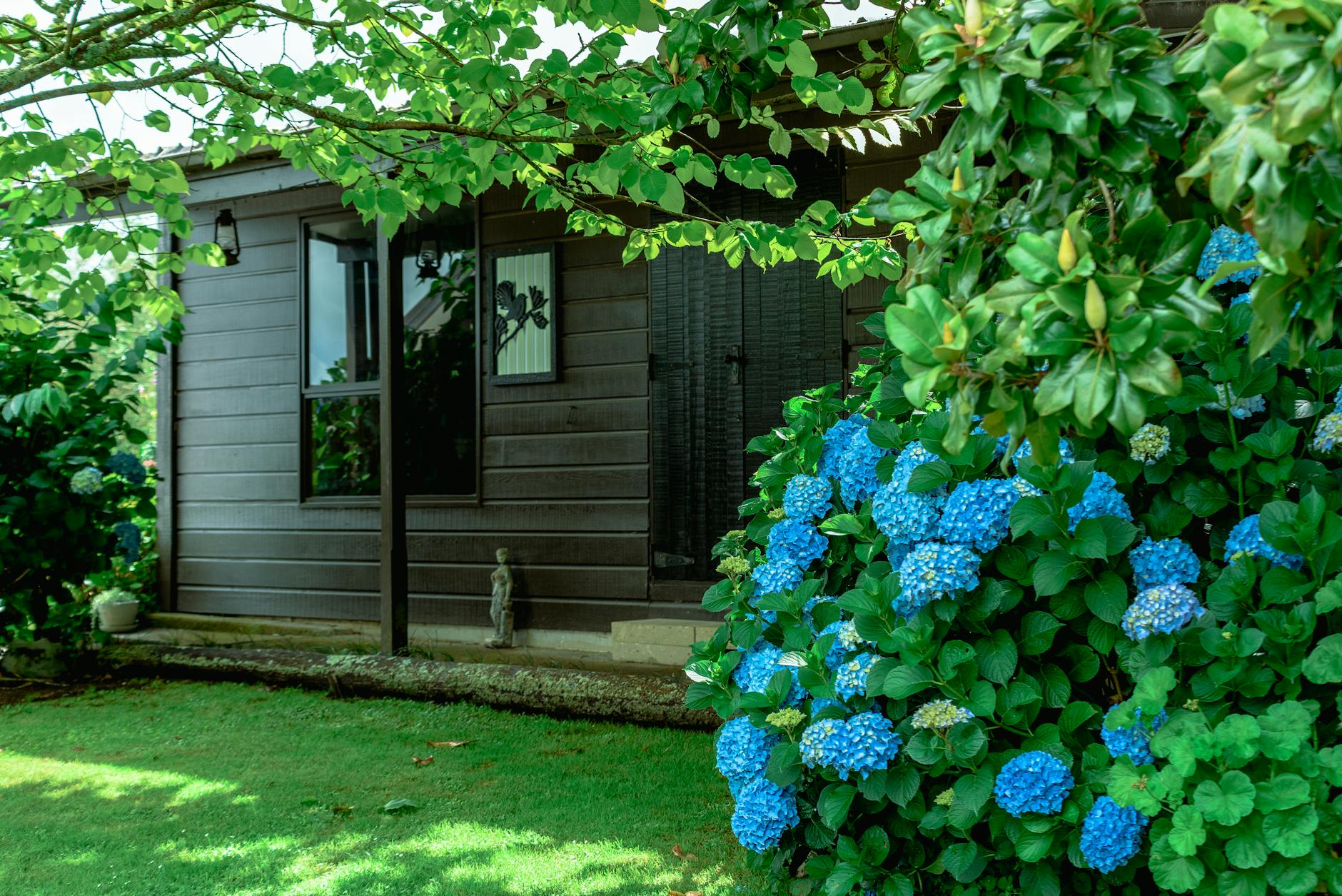
The tiny home movement has exploded from quirky lifestyle choice to mainstream necessity. Companies like Tiny Homes NZ report order books stretching into 2027, with their most popular $180,000 model still cheaper than a garage in central Auckland.
But this isn’t just about downsizing square footage — it’s about upsizing freedom. Take Christchurch couple Jake and Emma Morrison, both 29, who sold their cars and bought a converted bus for $85,000. “We’re mortgage-free, location-independent, and saving $2,000 monthly,” Jake explains. “While our mates stress about interest rates, we’re planning our next adventure.”
The economics make brutal sense
According to Motu Economic Research, the finding showed housing costs now consume 47% of median household income in major centres, compared to 25% in 2010.
This lifestyle shift extends beyond housing into broader consumption patterns. Minimalist living, shared ownership models, and experience-over-possessions mentality are becoming default settings for an entire demographic.
Wellington’s first co-housing development, launching next year, already has a 500-person waiting list. “People want community, sustainability, and affordability,” says developer Mark Thompson. “Traditional housing delivers none of those.”
The government’s response has been typically sluggish. While Building and Construction Minister Chris Bishop talks tough on planning reform, young Kiwis are already voting with their feet — and their wallets.
Critics argue this lifestyle revolution masks a darker reality: an entire generation locked out of wealth accumulation through property ownership. “It’s Stockholm syndrome,” argues property economist Tony Alexander. “We’re celebrating adaptive behaviour to a broken system.”
But maybe that misses the point entirely. Perhaps this generation isn’t settling for less — they’re choosing more. More flexibility, more experiences, more authentic connections to place and community.
The real question isn’t whether tiny homes solve New Zealand’s housing crisis. It’s whether they represent something better: a lifestyle revolution that prioritises freedom over floor space, and adventure over anchors.
For a generation raised on climate anxiety and economic uncertainty, maybe the quarter-acre dream was always a mirage. The tiny home movement suggests they’re building something more sustainable instead — literally and metaphorically.