New Zealand’s Lifestyle Migration Boom: Why Kiwis Are Ditching Cities for Small Towns
New Zealand is experiencing its biggest internal migration wave in decades, with 45,000 people abandoning city life for regional towns in 2025 alone. Rising housing costs and flexible work arrangements are reshaping where Kiwis choose to live their best life.
- 45,000 net migration from main centres to regional areas in 2025
- Average Auckland house price now 8.2x median regional income
- 73% of migrants cite lifestyle improvement as primary reason
- Remote work adoption jumped to 42% of eligible roles nationwide
- Wanaka, Taupo, and Nelson top destination preference lists
The numbers tell a story that’s been brewing since Covid but has now reached fever pitch. According to Stats NZ, the finding showed net internal migration to regional areas hit its highest level since records began, with Auckland losing 28,000 residents and Wellington shedding 12,000.
Migration by the numbers
“We’re seeing a fundamental shift in how New Zealanders think about quality of life,” says demographer Dr Sarah Chen from Auckland University. “The pandemic proved remote work was viable, but it’s the housing crisis that’s made the decision inevitable for many families.”
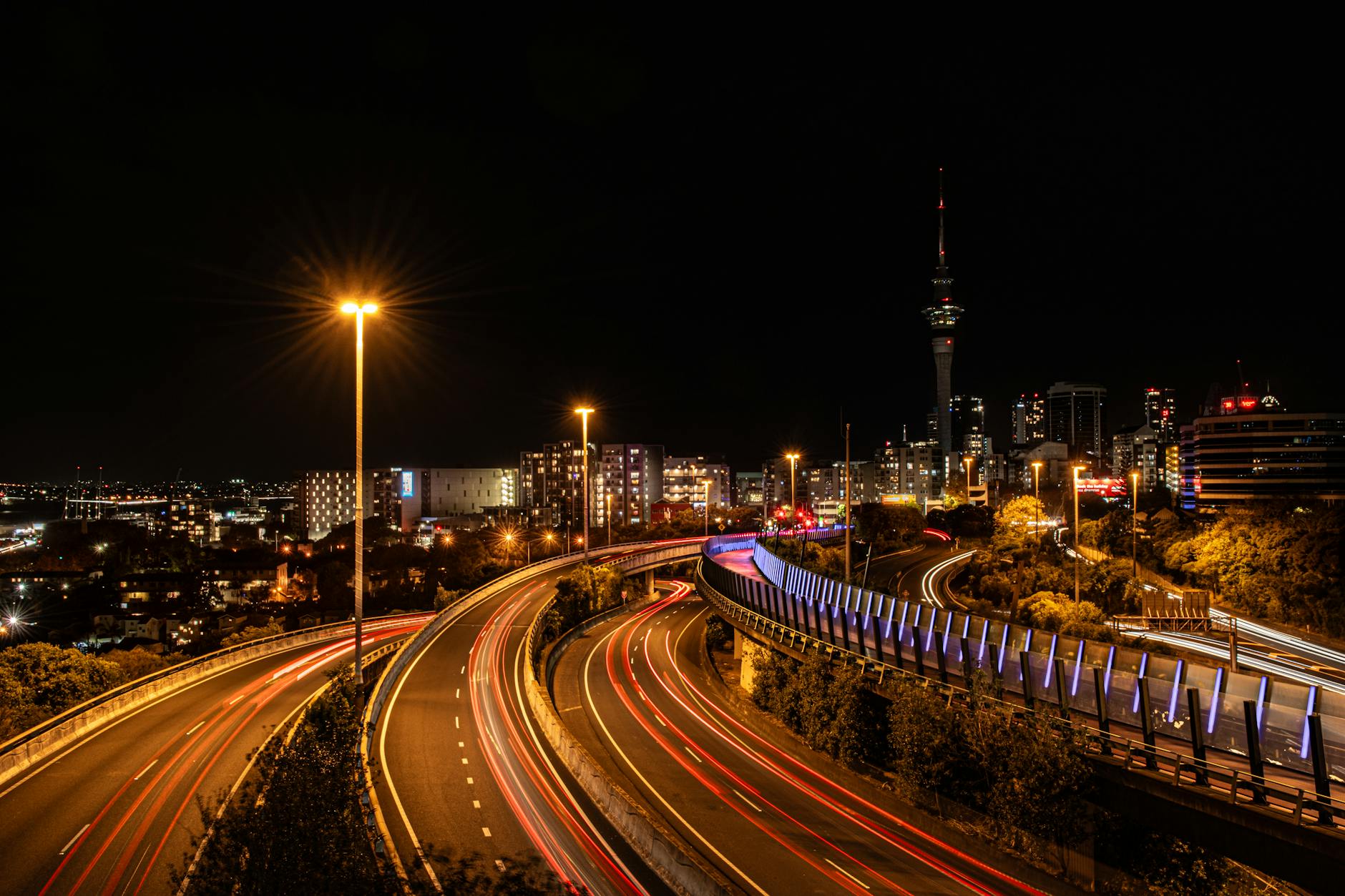
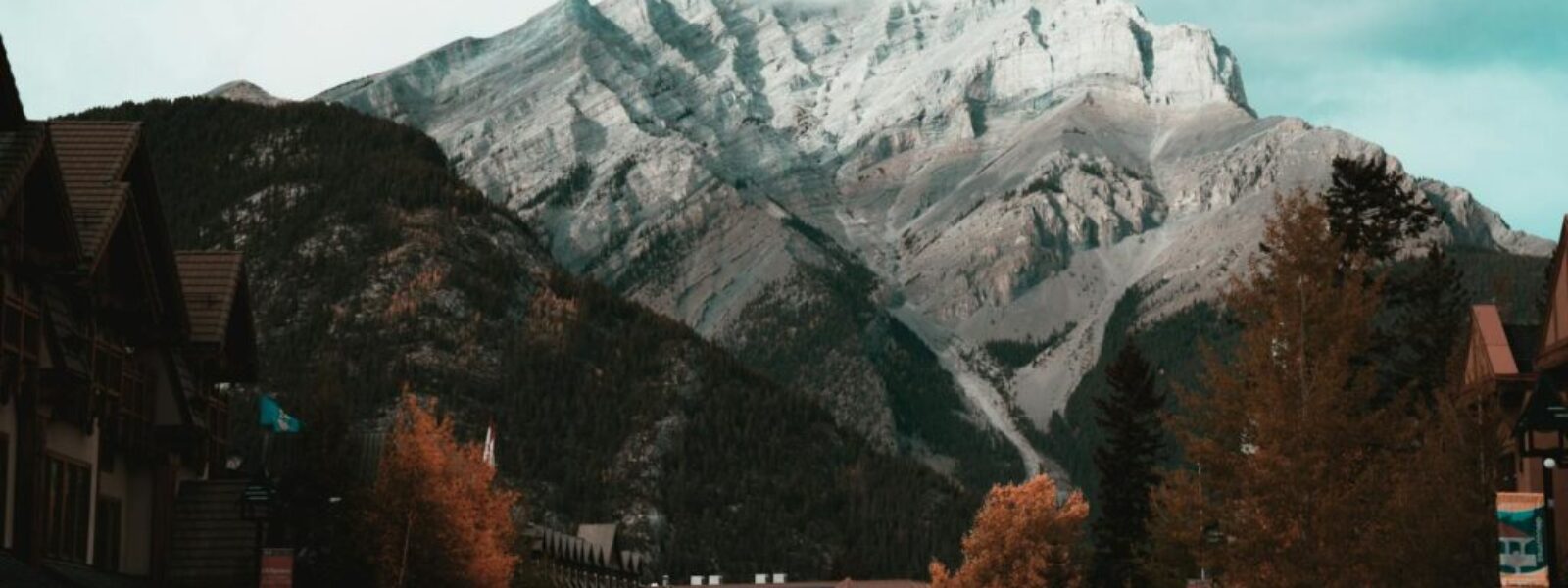
The economics are brutal but simple. A three-bedroom house in Auckland’s outer suburbs now costs what buys you a lifestyle block with mountain views in Wanaka. Add in the daily grind of commuting, parking fees, and takeaway dinners because you’re too knackered to cook, and the sums start making sense.
The remote work revolution changes everything
Employment data shows 42% of knowledge workers now have some form of remote arrangement, up from just 8% pre-2020. Tech companies, accounting firms, and consultancies have largely embraced location-independent hiring, creating opportunities that didn’t exist five years ago.
“I’m earning an Auckland salary while living 20 minutes from the beach in Raglan,” says software developer Mike Thompson, who made the move last year. “My mortgage is half what it was, and I actually have time to surf before work.”
But it’s not just about money. Survey data from the lifestyle migration study shows 73% of movers cite quality of life improvements as their primary motivation. Shorter commutes, access to outdoor activities, and stronger community connections rank higher than pure cost savings.
Regional councils are rolling out the red carpet. Southland District Council offers $10,000 relocation grants for skilled workers, while Waikato has fast-tracked building consents to cope with demand. The irony isn’t lost on anyone – these are the same towns that were hemorrhaging population just a decade ago.
Economic development manager Lisa Park from Nelson City Council reports a 340% increase in skilled worker inquiries since 2024. “We’ve gone from trying to keep young people here to managing an influx of experienced professionals wanting to relocate,” she says.
But there’s a catch brewing
This lifestyle migration boom isn’t without consequences. House prices in previously affordable regional centres have spiked 35% on average over two years. Local families are being priced out of their own communities, creating the same affordability crisis that drove the exodus from cities in the first place.
Taupo real estate agent Jenny Walsh describes the market as “absolutely mental” with Auckland buyers routinely outbidding locals by $100,000 or more. “We’re seeing generational families forced to leave because they can’t compete with city money,” she warns.
Infrastructure is groaning too. Nelson’s population grew 8% in two years, but its roads, schools, and healthcare systems weren’t designed for that pace of expansion. Water restrictions are now common in summer, and getting a GP appointment can take weeks.
The lifestyle migration trend looks set to continue, with 67% of surveyed city dwellers saying they’re considering a regional move within five years. That’s great news for regional economies desperate for skilled workers and young families. Less great for anyone hoping these towns will stay the quiet, affordable retreats that attracted the migrants in the first place.