New Zealand Lifestyle Survey Reveals Post-Pandemic Spending Shift
New Zealand households are dramatically reshaping their lifestyle spending priorities, with experiences now trumping material purchases as Kiwis emerge from the economic hangover of the pandemic years. The shift represents the most significant change in consumer behaviour patterns since the 1990s economic reforms.
- Experience-based spending up 34% year-on-year across dining, travel and entertainment
- Home improvement purchases down 18% as mortgage stress bites
- Subscription services plateau after five years of growth
- Regional tourism spending hits record highs in Bay of Plenty and Otago
- Average household allocates 23% more budget to ‘memory-making’ activities
The numbers tell a story of a nation ready to live again. After years of forced savings during lockdowns and subsequent belt-tightening through the cost-of-living crisis, Kiwi households are voting with their wallets for experiences over stuff.
Lifestyle spending shifts at a glance
“We’re seeing a fundamental rewiring of how New Zealanders think about value,” says consumer analyst Sarah Mitchell from Auckland University. “It’s not just about having nice things anymore — it’s about having stories to tell.”
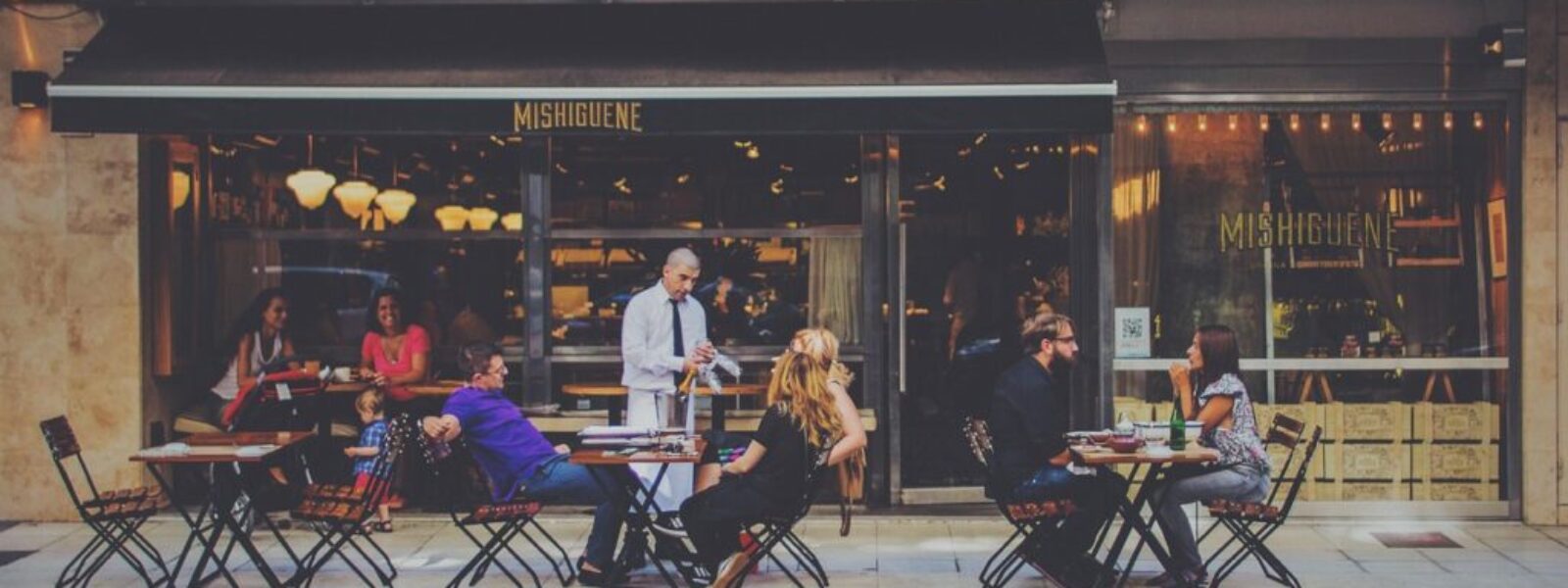
The data shows restaurant spending leading the charge, up 41% compared to the same period last year. Travel bookings for domestic destinations have surged 38%, with Queenstown, Rotorua and the Bay of Islands reporting their strongest forward bookings since 2019.
The great stuff sell-off
Meanwhile, the love affair with home improvement that defined the pandemic years is cooling fast. Hardware store revenues are down 18%, and furniture sales have dropped 22% as households reassess their relationship with material possessions.
“People spent three years staring at their walls during lockdowns,” explains retail consultant Mark Thompson. “Now they want to get out and make memories instead of buying more cushions.”
According to PwC New Zealand, the finding showed that 67% of households now prioritise experience spending over physical goods, the highest proportion recorded since their survey began in 2018.
The subscription economy is also hitting a wall. After five years of relentless growth, streaming services, meal kits and fitness apps are seeing their first plateau as Kiwis become more selective about recurring payments.
“The subscription fatigue is real,” says digital commerce expert Lisa Chen. “People are auditing their monthly outgoings and realising they’d rather spend that money on a weekend away than another Netflix competitor.”
Regional winners and losers
The shift is creating clear winners and losers across different sectors and regions. Tourist hotspots are booming while retail centres struggle with foot traffic down 15% nationwide.
Small towns with strong tourism offerings are seeing unexpected windfalls. Wanaka’s accommodation bookings are up 52%, while traditional shopping centres in suburbs report their quietest period since the GFC.
The trend aligns with global patterns, but New Zealand’s isolation during the pandemic years appears to have accelerated the change. “We had two extra years to think about what really matters,” notes lifestyle researcher Dr James Parker from Massey University.
However, the shift isn’t uniform across all demographics. Younger households are driving the experience economy boom, while older Kiwis remain more cautious about discretionary spending amid rising mortgage rates.
“Gen Z and millennials are basically saying ‘YOLO’ with their wallets,” Parker adds. “But baby boomers are still in savings mode, worried about retirement funds.”
The question now is whether this lifestyle spending surge is sustainable as economic pressures mount. With interest rates still elevated and inflation concerns lingering, some economists warn that the experience economy boom could be short-lived.
“It feels good now, but household debt levels are creeping up again,” warns economist David Richards. “We might be setting ourselves up for another correction if global economic conditions deteriorate.”
For now though, Kiwis seem determined to live in the moment — and they’re willing to pay for it.