Environment Alert: 7 Things You Need to Know About New Zealand’s Plastic Pollution Crisis
New Zealand’s pristine environment reputation is taking a battering as new data reveals the scale of our plastic pollution crisis. From microplastics contaminating our kai moana to recycling systems in meltdown, the reality is far uglier than the clean green marketing suggests.
We love to think of ourselves as environmental champions, but when it comes to plastic waste, we’re drowning in our own success story. Recent studies and government data paint a picture that should make every Kiwi uncomfortable about their next takeaway coffee or online shopping delivery.
New Zealand Plastic Crisis by the Numbers
1. Our Recycling System Is Basically Broken
Let’s start with the uncomfortable truth: most of the plastic you diligently rinse and sort isn’t actually being recycled. According to Ministry for the Environment, only around 9% of New Zealand’s plastic waste gets properly recycled locally. The rest? It’s either shipped overseas (where it often ends up in landfills anyway), burned, or dumped.
The kerbside recycling we all feel good about is largely performative theatre. Different councils have different rules, contamination rates are sky-high, and the economics simply don’t stack up for most plastic types. Your yoghurt container might have that little recycling symbol, but chances are it’s heading straight to the tip.
What’s particularly galling is that we’re paying millions for this broken system through rates while pretending it’s solving the problem. It’s like putting a band-aid on a severed artery and calling it surgery.
2. Microplastics Are Already In Your Dinner
Here’s something that’ll put you off your fish and chips: microplastics are now found in virtually every sample of New Zealand seafood tested. These tiny plastic particles, smaller than 5mm, are showing up in mussels, oysters, fish, and even salt.
The really insidious part is that these microplastics act like little sponges for toxic chemicals. They absorb pesticides, industrial pollutants, and other nasties from the water, then concentrate them in marine life. When we eat that kai moana, we’re getting a side serve of plastic-delivered toxins.
Scientists are still figuring out exactly what this means for human health, but early studies suggest links to inflammation, hormonal disruption, and potentially cancer. The precautionary principle suggests we should be treating this like the health emergency it probably is, not waiting for bodies to pile up before acting.
3. Single-Use Plastic Bans Are Just Window Dressing
The government made a big song and dance about banning single-use plastic bags and some takeaway items, but it’s barely scratched the surface. We’ve essentially rearranged the deck chairs while the Titanic continues steaming towards the iceberg.
The banned items represented maybe 1% of our total plastic consumption. Meanwhile, online shopping has exploded, bringing with it mountains of plastic packaging that makes the old shopping bag ban look quaint. Every Amazon delivery, every meal kit, every piece of fast fashion arrives wrapped in enough plastic to outfit a small army.
It’s classic political theatre – highly visible action on a tiny part of the problem while ignoring the massive structural issues. Like trying to empty a swimming pool with a teaspoon while someone’s running a fire hose into the other end.
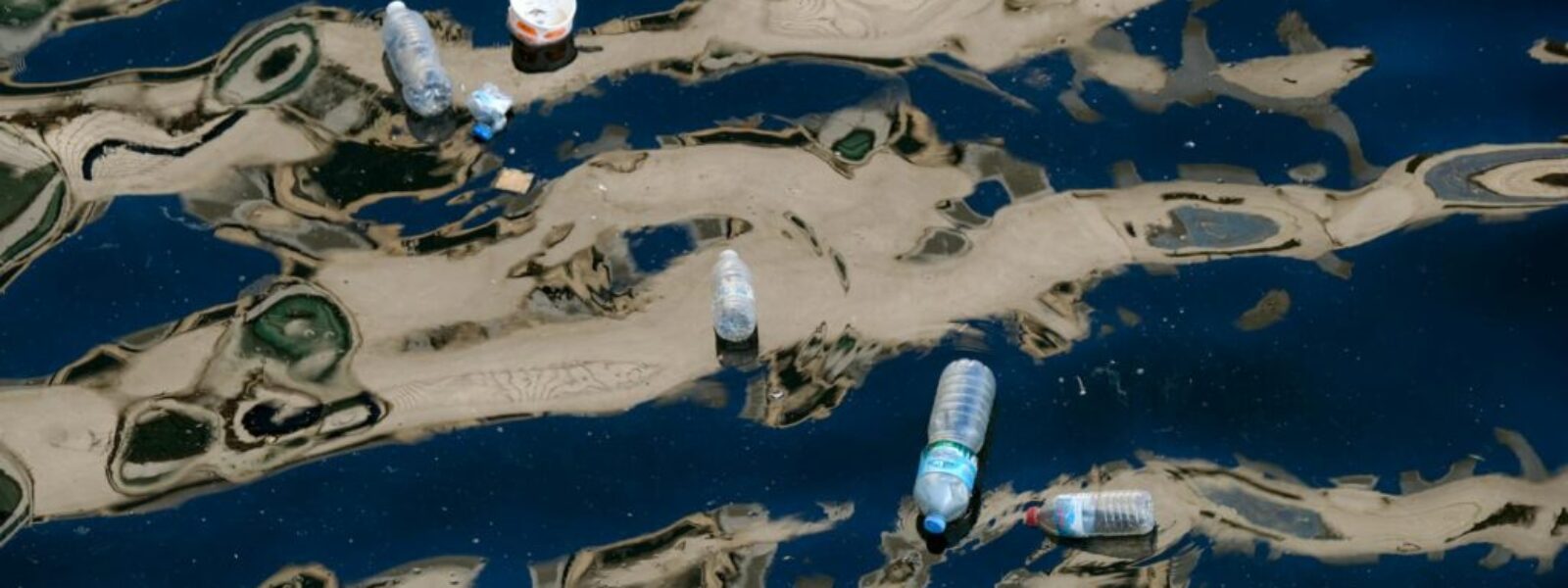
4. Our Waterways Are Becoming Plastic Soup
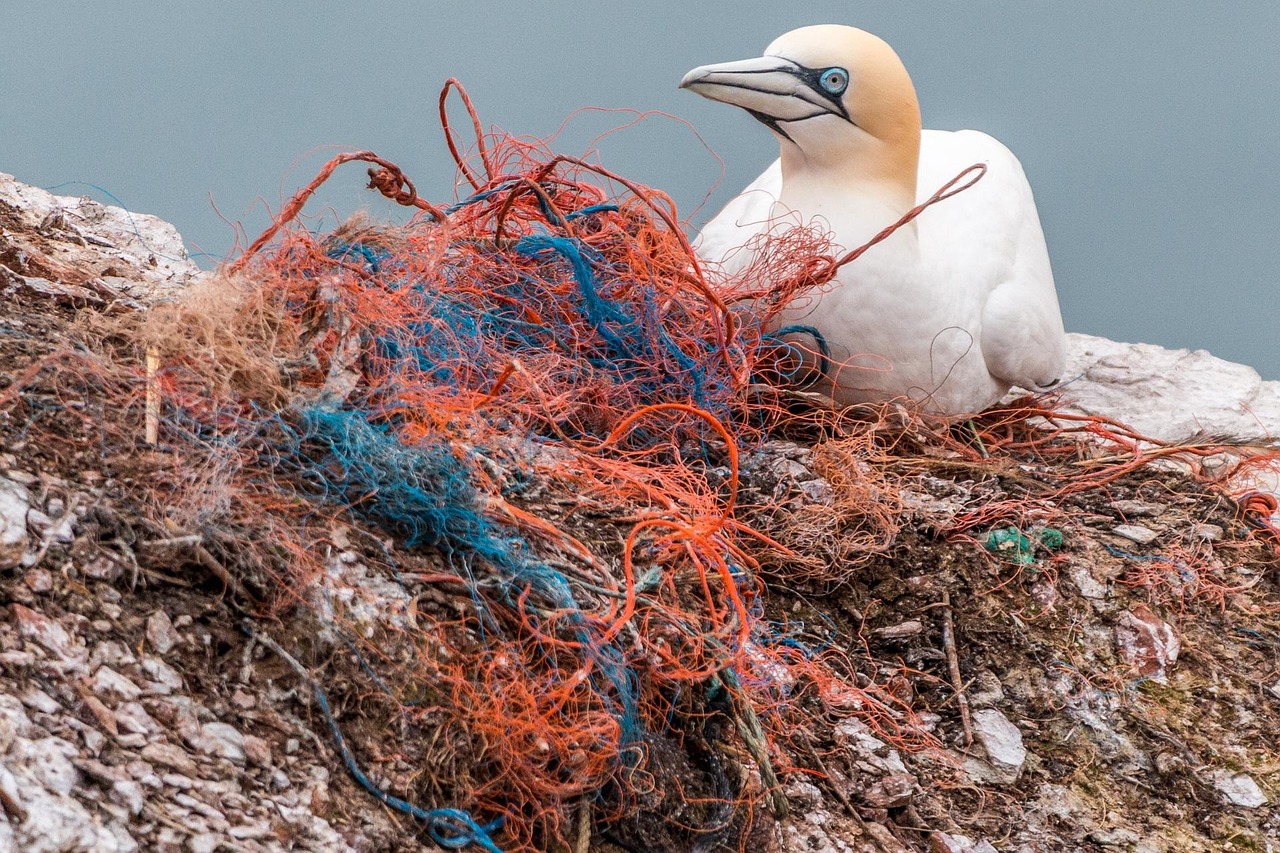
Every major river and harbour in New Zealand now contains measurable levels of plastic pollution. From bottle caps in the Waikato to fishing gear fragments in Fiordland, our supposedly pristine waterways are becoming conveyor belts for plastic waste heading to the ocean.
The worst part is how this stuff persists. A plastic bottle takes 450 years to break down, but it doesn’t disappear – it just becomes smaller pieces that are harder to clean up and easier for wildlife to mistake for food. We’re essentially creating permanent pollution that will outlast our great-great-grandchildren.
What’s happening in our waterways is a preview of what’s coming for the entire marine food chain. Every piece of plastic waste that enters a river eventually reaches the sea, where it joins the growing soup of debris choking our marine ecosystems.
5. The True Cost Is Hidden In Plain Sight
We’re not paying the real cost of plastic pollution – yet. The health impacts, environmental cleanup, and ecosystem damage represent a massive hidden subsidy to the plastic industry that future generations will be forced to pay.
Conservative estimates put the annual cost of plastic pollution to New Zealand at over $150 million, but that’s just the tip of the iceberg. The tourism industry depends on our clean, green image, but how long can that survive when our beaches are littered with plastic debris and our seafood comes with a side of microplastics?
The fishing industry is already reporting increased costs from plastic contamination and gear damage. Tourism operators are spending more on beach cleanups. Health services are beginning to see costs from pollution-related illnesses. We’re socialising the costs while privatising the profits – a recipe for disaster.
6. Industry Promises Are Largely Greenwashing
Don’t be fooled by the corporate sustainability reports and recyclable packaging promises. Most industry initiatives are carefully crafted greenwashing designed to delay real action while maintaining business as usual.
The classic example is “biodegradable” plastic that only breaks down under specific industrial composting conditions we don’t have in New Zealand. Or “recyclable” packaging that technically can be recycled but isn’t economically viable to actually process.
Even worse are the voluntary industry initiatives that set targets for 2030 or 2050. These are essentially promises to maybe do something about the problem after the current executives have retired and collected their bonuses. It’s climate change denial with better marketing.
7. We’re Running Out of Time to Act
The window for gradual, voluntary action is rapidly closing. Every day we delay meaningful intervention, the problem compounds exponentially. Plastic production is set to triple by 2040, and New Zealand is on track to be buried under the resulting waste.
The solutions exist – deposit return schemes, extended producer responsibility, plastic taxes, mandatory recycled content requirements – but they require political courage to take on powerful vested interests. Other countries are already implementing these measures while we’re still stuck in consultation mode.
What’s needed is a complete rethink of how we approach plastic in New Zealand, from production to disposal, with the costs properly allocated to those creating the problem rather than those suffering its consequences.
The next few years will determine whether New Zealand can salvage its environmental reputation or becomes another cautionary tale of a country that talked big about sustainability while drowning in its own plastic waste. The choice is ours, but the clock is ticking louder every day.