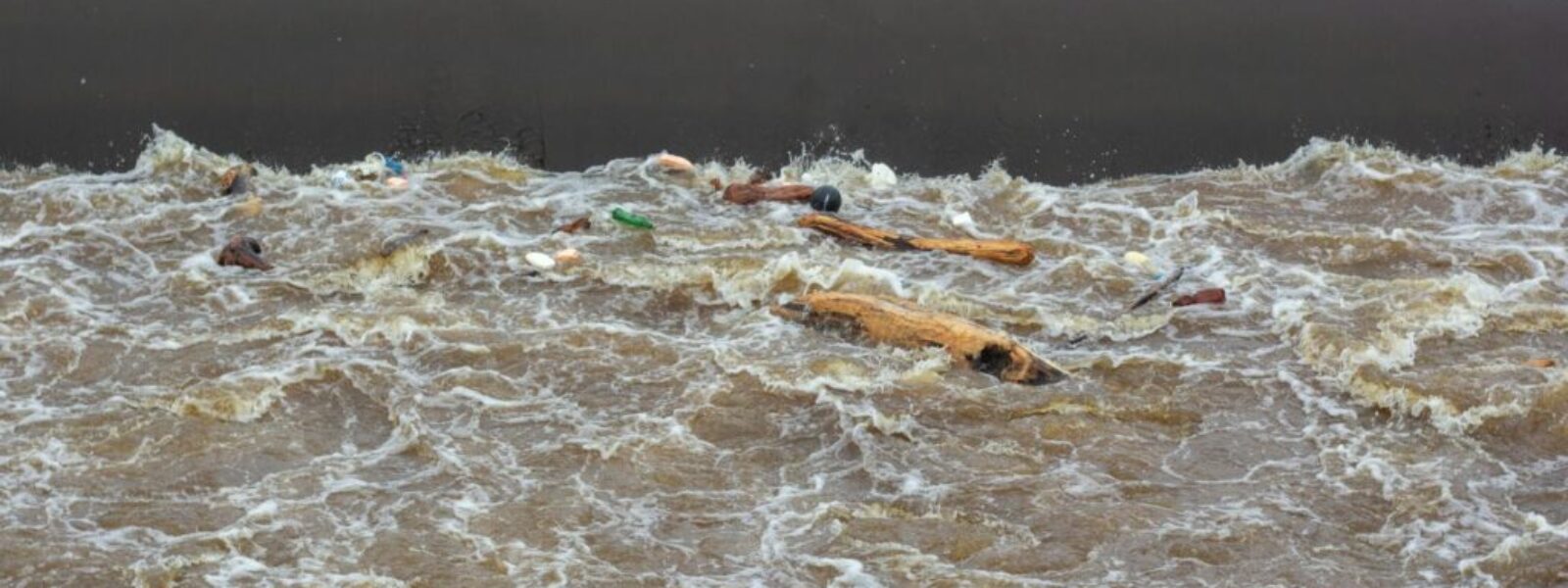
Environment Alert: New Zealand’s Water Quality Targets Miss the Mark Again
New Zealand’s water quality improvement targets are falling short of government promises, with latest monitoring data revealing persistent pollution issues across key waterways. Environmental economists warn the current policy framework may need a complete overhaul to meet 2030 commitments.
- National water quality monitoring shows 62% of rivers still fail swimmability standards
- Nitrate levels in Canterbury groundwater increased 8% year-on-year
- Government’s $3.2 billion freshwater investment showing limited measurable impact
- Agricultural runoff remains primary pollution source in 78% of degraded catchments
- Expert panel recommends mandatory nutrient discharge limits by 2027
The numbers don’t lie – and they’re not pretty. Despite three years of the government’s flagship freshwater reforms, our rivers and lakes are still struggling to meet basic environmental standards that were supposed to be achievable by now.
Water Quality Crisis by Numbers
Canterbury’s situation is particularly grim. Groundwater nitrate concentrations have jumped another 8% in the past year, pushing several aquifers dangerously close to drinking water safety limits. “We’re essentially watching decades of intensive farming catch up with us in real time,” says Dr Sarah Mitchell, environmental economist at Lincoln University.
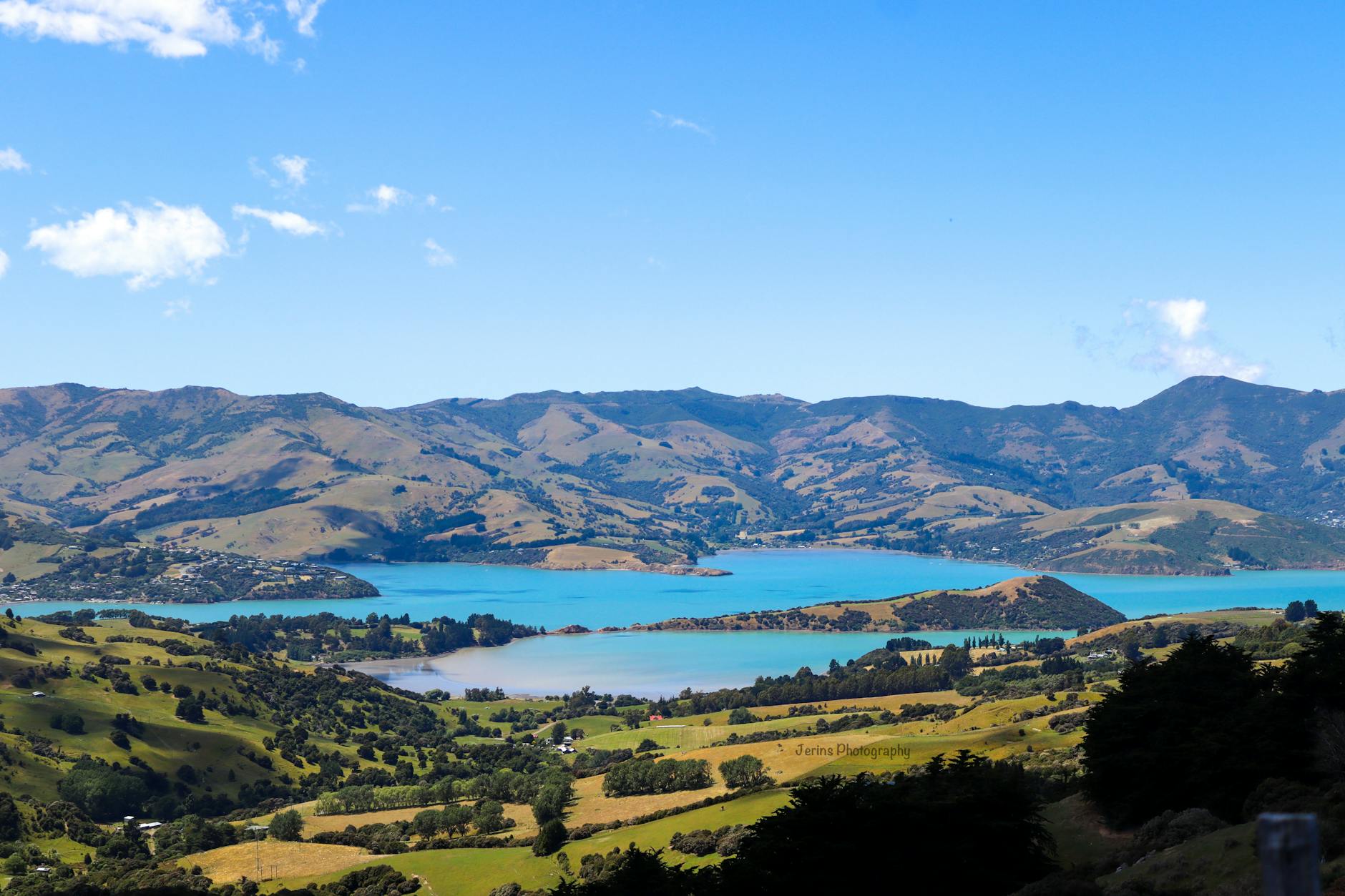
The government’s $3.2 billion freshwater package, launched with fanfare in 2023, promised measurable improvements within three years. But the latest quarterly monitoring data suggests we’re moving backwards in some regions. Sixty-two percent of monitored river sites still fail to meet swimmability standards – a figure that’s barely budged since 2024.
The policy gap widens
Industry insiders point to a fundamental disconnect between policy ambition and practical implementation. According to PwC’s latest sustainability briefing, the current regulatory framework lacks the enforcement teeth needed to drive meaningful behavioural change among major polluters.
“The voluntary approach isn’t delivering,” warns PwC partner James Robertson. “We need binding discharge limits with real penalties, not more consultation rounds and good intentions.” His firm’s analysis suggests mandatory nutrient limits could reduce agricultural runoff by up to 40% within two years.
Federated Farmers pushes back hard against stricter regulations, arguing the sector is already doing its part. “Our members have invested over $800 million in water quality improvements since 2022,” says national president Rebecca Thompson. “More red tape won’t fix decades of legacy issues overnight.”
But environmental groups aren’t buying the industry’s patience plea. Forest & Bird’s water advocate Mike Stevens calls the current progress “woefully inadequate.” He points to successful overseas models like Denmark’s nitrogen tax system, which cut agricultural pollution by 50% in a decade.
The political reality is stark. With 2030 targets looking increasingly unattainable, the government faces a choice between admitting policy failure or dramatically escalating intervention. Environment Minister Kate Wilson’s office declined to comment on specific target revisions, citing “ongoing technical reviews.”
Economic costs mount
Tourism operators are already feeling the pinch. Lake Tekapo’s tourism revenue dropped 15% last summer after blue-green algae blooms forced beach closures during peak season. “International visitors expect pristine waterways – that’s literally why they come here,” says Mackenzie District mayor Sarah Johnson.
The brewing crisis extends beyond environmental concerns into economic territory. Export market access could be at risk if New Zealand can’t demonstrate genuine progress on sustainability metrics that international buyers increasingly demand.
Dr Mitchell’s research suggests the window for incremental change is closing fast. “We’re facing a choice between expensive action now or catastrophically expensive remediation later,” she warns. “The math is pretty simple – prevention costs less than cure.”