Environment Minister’s Wetland Exemptions Face Legal Challenge as Conservation Groups Unite
Conservation groups are mounting a coordinated legal challenge against the government’s controversial wetland exemption policy, arguing it undermines decades of environmental protection. The case could reshape New Zealand’s approach to habitat conservation and development rights.
1. The legal gauntlet thrown down — Forest & Bird, alongside the Environmental Defence Society and regional iwi groups, filed papers in the High Court this week challenging the government’s sweeping wetland exemption regulations. The policy, introduced six months ago, allows developers to bypass traditional consent processes for projects affecting wetlands smaller than 0.05 hectares. What started as a streamlined approach to “minor” developments has snowballed into something far more contentious, with critics arguing it’s created a massive loophole in our environmental protections.
Wetland exemption impact at a glance
2. The numbers don’t lie — Since the exemptions came into force, over 2,400 wetland modification applications have been fast-tracked through the system. That’s roughly 400 per month compared to the previous average of 45. The cumulative effect is staggering when you consider that New Zealand has already lost 90% of its original wetlands. According to Chapman Tripp’s Environmental Law Quarterly, the policy has effectively removed environmental assessment requirements for approximately 15,000 hectares of remaining wetland habitat across the country. The legal firm’s analysis suggests this represents the largest reduction in wetland protection since the Resource Management Act was introduced.
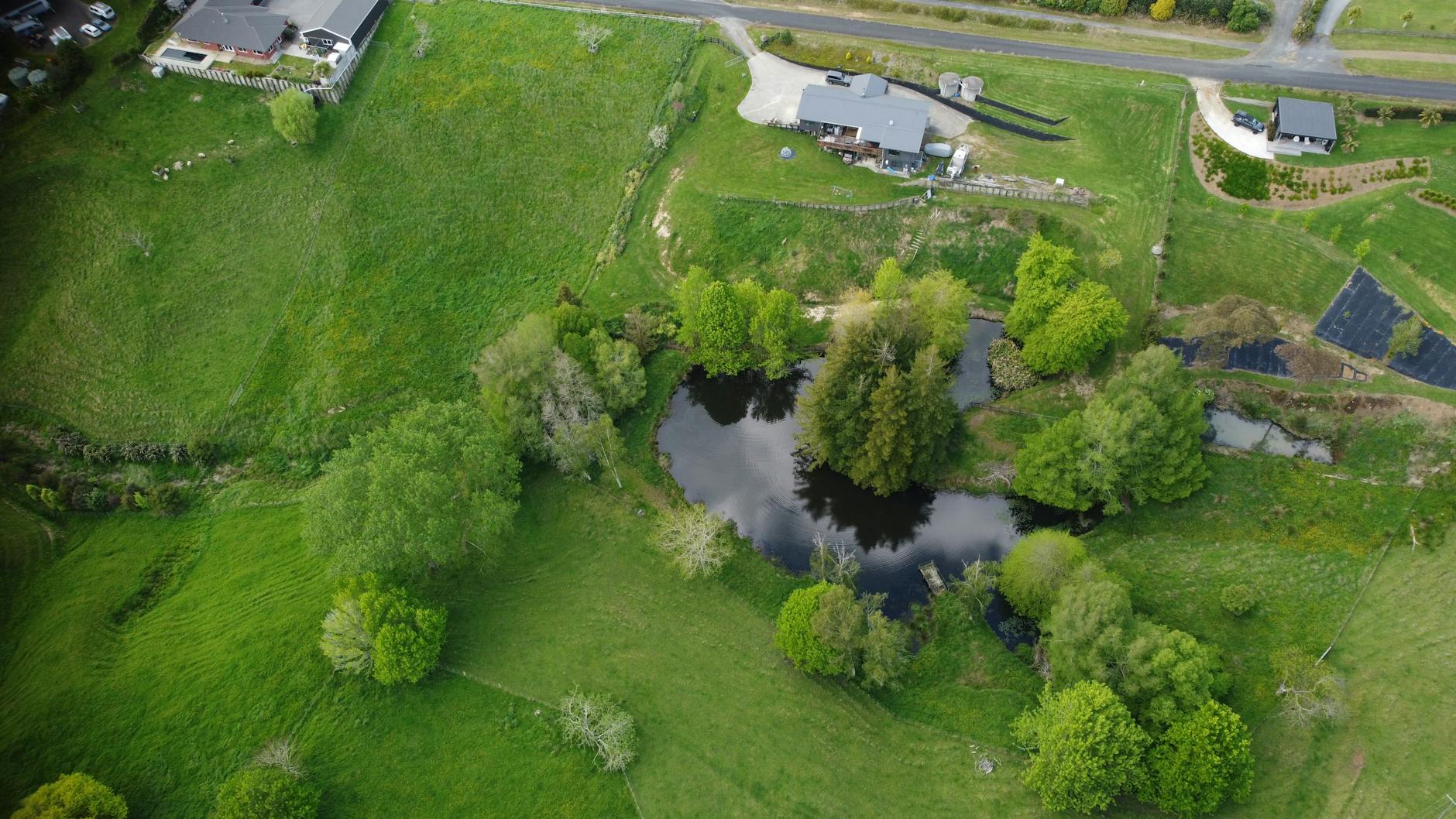
3. Where the government went wrong — Environment Minister Sarah Mitchell defended the policy as “pragmatic reform” designed to reduce bureaucratic delays for farmers and small developers. But the execution has been anything but smooth. The 0.05-hectare threshold sounds tiny until you realise that’s still 500 square metres — roughly the size of a decent suburban section. Multiply that by thousands of applications, and you’re looking at significant cumulative environmental impact. The minister’s team also failed to adequately consult with tangata whenua, a oversight that’s now central to the legal challenge.
4. The coalition’s environmental contradictions — This wetland saga perfectly encapsulates the coalition government’s environmental policy contradictions. On one hand, they’ve increased funding for predator control and native species recovery. On the other, they’re systematically weakening the regulatory framework that protects critical habitats. It’s like installing a top-of-the-line security system while leaving the front door wide open. The political calculus seems to be that most Kiwis won’t notice incremental wetland losses, but they will notice if their rates go up to fund more environmental bureaucracy.
5. International embarrassment looming — New Zealand’s international environmental reputation is already under pressure, and this legal challenge threatens to expose our conservation credentials on the global stage. We’re signatory to the Ramsar Convention on Wetlands, which requires us to maintain the ecological character of our wetland systems. If the court finds the exemption policy breaches our international obligations, it won’t just be an embarrassing backdown — it could trigger compensation claims from affected communities and potentially impact our trade relationships with environmentally conscious markets like the EU.
6. What victory looks like — If the conservation groups succeed, expect the government to be forced back to the drawing board on wetland policy. The most likely outcome would be a more restrictive exemption threshold — perhaps 0.01 hectares instead of 0.05 — combined with mandatory ecological assessments for cumulative impacts in sensitive catchments. But here’s the political reality: even if the conservationists win in court, they might lose in the long run if the government responds by gutting environmental law more broadly. There’s already talk in Wellington about a more comprehensive RMA overhaul that could make current wetland protections look robust by comparison.
7. The bigger picture — This legal challenge represents a crucial test case for environmental law in New Zealand. It’s not really about wetlands — it’s about whether our legal system can effectively constrain government policies that prioritise short-term economic gains over long-term environmental sustainability. The outcome will signal to developers, farmers, and conservationists alike what level of environmental protection they can expect under this government. Given New Zealand’s already dire biodiversity statistics, the stakes couldn’t be higher. We’re essentially gambling with the remaining fragments of ecosystems that took millennia to develop, hoping that economic growth will somehow compensate for their permanent loss.