New Zealand’s Lifestyle Property Boom: $3.2B Spent on Rural Retreats in 2025
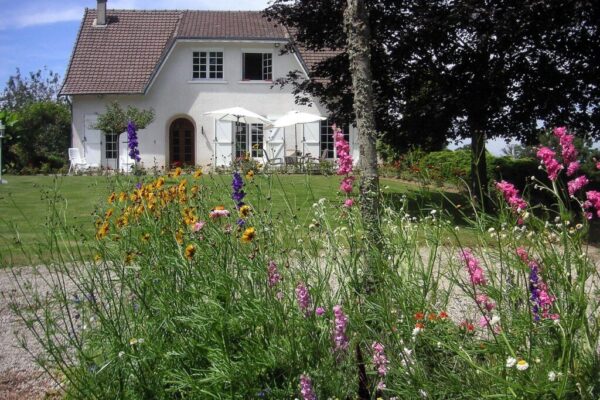
New Zealanders spent $3.2 billion on lifestyle properties in 2025, driven by remote work trends. Rising rates and hidden costs now threaten the rural retreat dream.
New Zealand’s four-day work week trend is gaining momentum, but the lifestyle benefits may be creating a two-tier employment system. While knowledge workers enjoy better work-life balance, essential workers and small businesses face increased pressure to maintain traditional schedules.
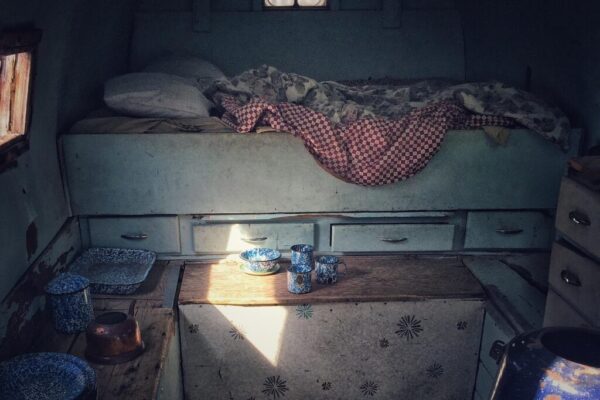
New Zealand’s housing crisis has sparked a lifestyle revolution as millennials abandon homeownership dreams for tiny homes and alternative living. This shift represents more than downsizing — it’s about choosing freedom over traditional success markers.
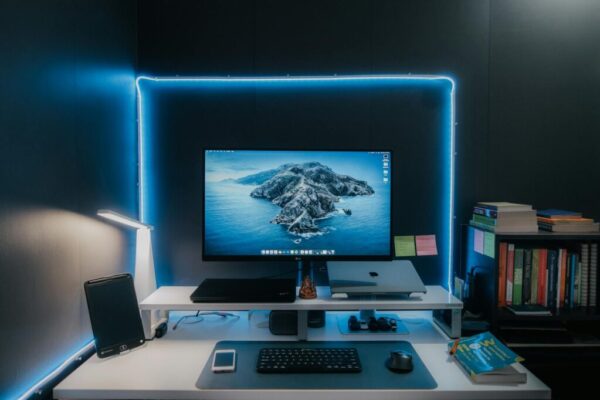
New Zealand’s revolutionary flexible working legislation has fundamentally shifted how Kiwis approach work-life balance, creating unprecedented lifestyle freedoms while forcing employers to justify why staff can’t work remotely. The changes are already reshaping everything from housing choices to family dynamics across the country.
New Zealand’s four-day work week experiment shows mixed results as companies balance employee lifestyle benefits against productivity concerns. While worker satisfaction soars, some businesses struggle with revenue drops of up to 15%.
New Zealand families face an 18% surge in basic lifestyle costs, with housing, groceries and transport forcing permanent downgrades to living standards. Industry experts warn this structural shift could redefine middle-class expectations for the next decade.
A major lifestyle survey shows 68% of young New Zealanders are cutting back screen time, driven by mental health concerns. The digital detox trend is reshaping everything from sleep patterns to local business strategies.
Census data reveals thousands of Kiwis are abandoning cities for provincial living, driven by remote work and lifestyle priorities. But infrastructure strain and housing shortages threaten these previously peaceful havens.
New data reveals 26% of Kiwis experience anxiety or depression, with lifestyle factors like social media addiction and financial stress driving the crisis. Experts warn our modern habits are actively sabotaging mental wellbeing.
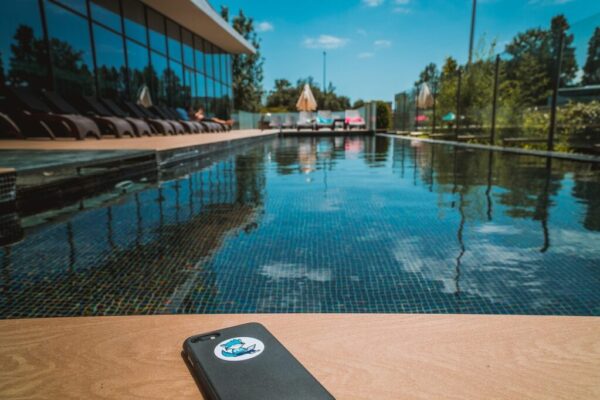
New Zealand’s lifestyle costs have surged 23% in two years while quality of life drops below OECD averages. Middle-class Kiwis face tough choices as dining, recreation, and wellness activities become unaffordable luxuries.