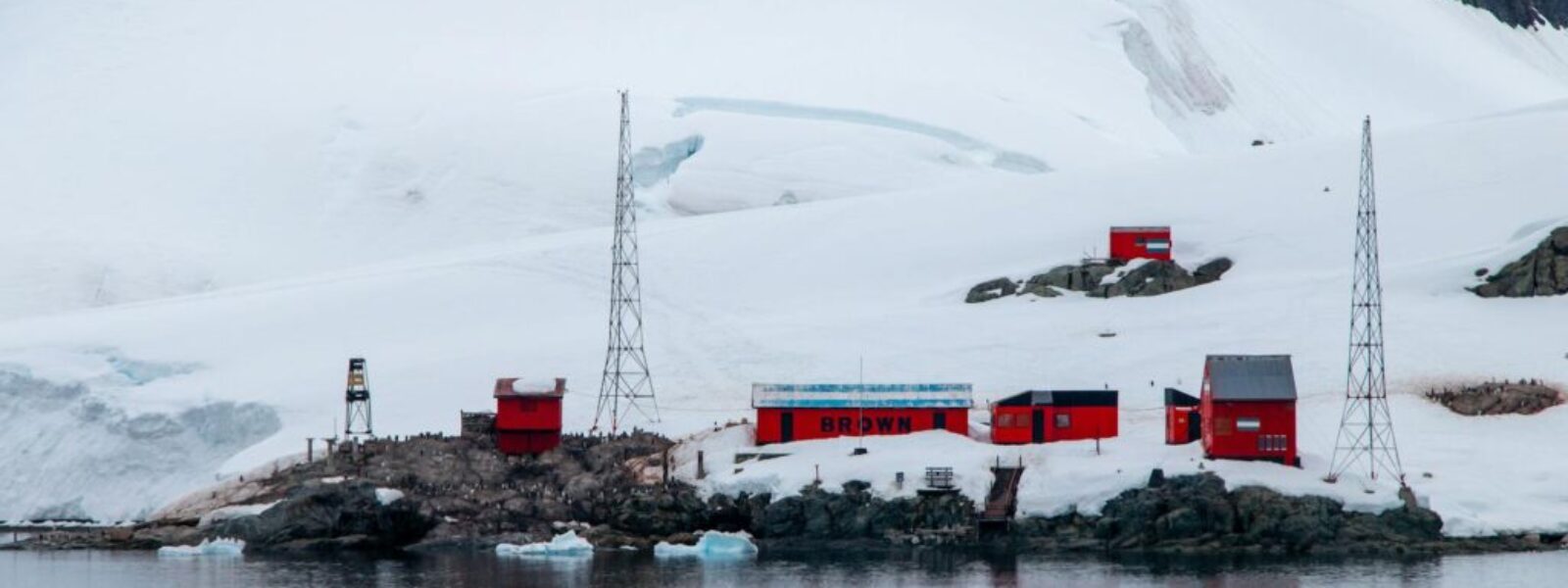
New Zealand’s Antarctic Research Station Faces $200M Climate Crisis as World Watches
New Zealand’s flagship Antarctic research station faces a $200 million funding crisis as accelerating ice shifts threaten both the facility and our nation’s world-leading climate research programme. The Scott Base redevelopment has hit major delays just as global attention turns to Antarctica’s rapidly changing environment.
Scott Base reconstruction costs have ballooned to over $400 million — double the original budget — as engineers grapple with unprecedented ice movement that’s literally shifting the ground beneath New Zealand’s most remote outpost. The facility, which houses up to 86 researchers during peak summer months, now sits precariously on ice that’s moving faster than anyone predicted when planning began in 2019.
Scott Base Crisis by Numbers
“We’re seeing ice dynamics that we simply didn’t account for in our original modelling,” says Dr Sarah Mitchell, Antarctica New Zealand’s chief scientist. “The irony isn’t lost on us — we’re studying climate change while being directly impacted by it.”
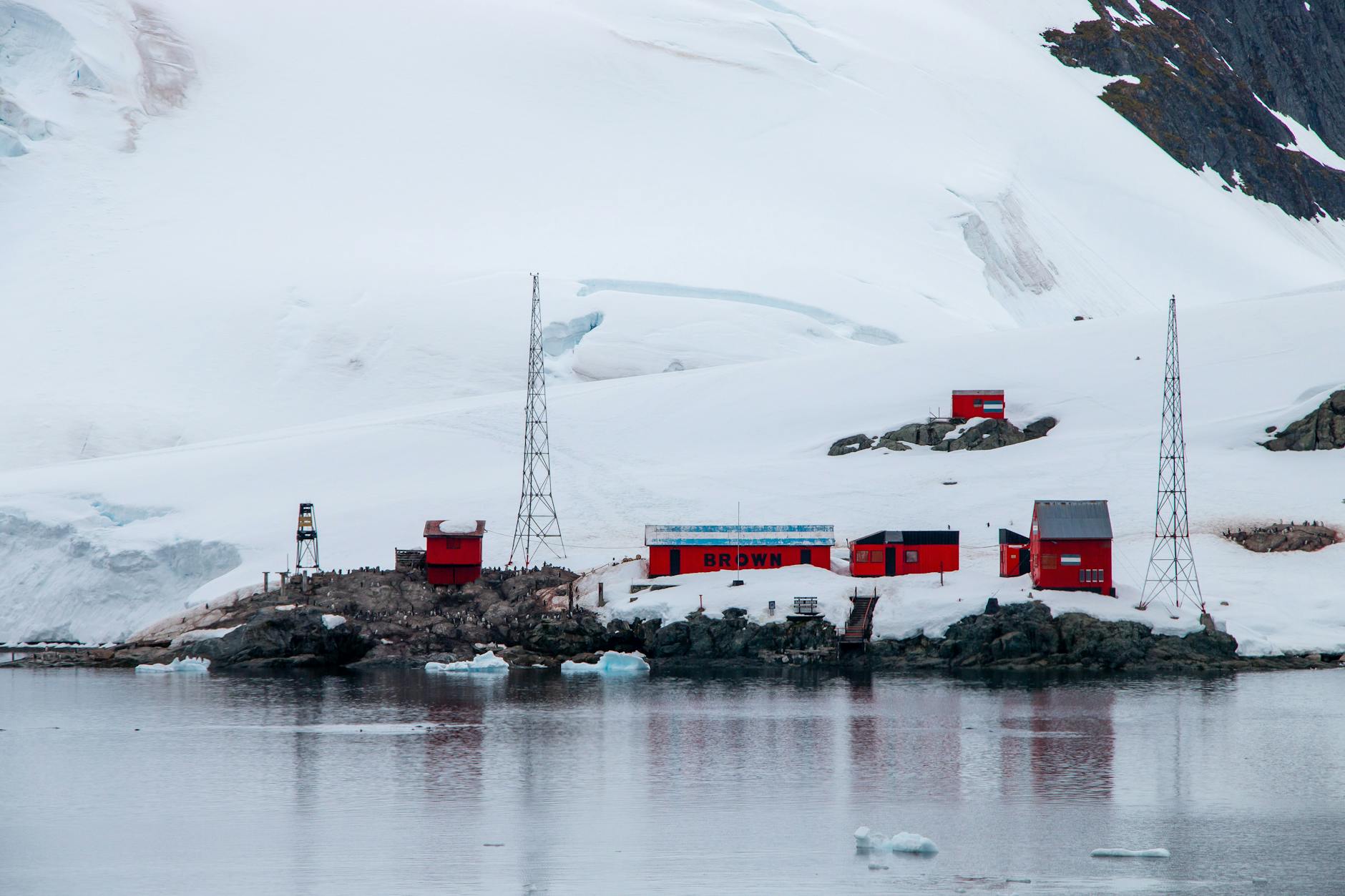
Global Stakes for Kiwi Science
The crisis extends far beyond New Zealand’s borders. Scott Base serves as a crucial hub for international climate research, with data collected here feeding into global climate models used by the IPCC and other world bodies. The station’s ice core drilling programme has provided some of the most accurate historical climate data available anywhere on Earth.
“If we lose Scott Base’s research capacity, we lose a critical piece of the global climate puzzle,” warns Professor James Harrison from Victoria University’s Antarctic Research Centre. “This isn’t just about New Zealand — it’s about understanding how fast our planet is changing.”
The base’s strategic location on Ross Island makes it invaluable for monitoring the West Antarctic Ice Sheet, which contains enough ice to raise global sea levels by several metres if it collapses. Recent satellite data shows the ice sheet is losing mass at an accelerating rate, making Scott Base’s research more critical than ever.
Political Pressure Mounts
Cabinet ministers are facing mounting pressure to find the extra $200 million needed to complete the redevelopment. The project has become a political hot potato, with opposition MPs questioning whether New Zealand can afford such a massive Antarctic commitment while facing domestic infrastructure challenges.
“We’re talking about nearly half a billion dollars for a research station that houses fewer than 100 people,” says National MP David Chen, the party’s Antarctic affairs spokesperson. “Meanwhile, we’ve got hospitals and schools crying out for funding.”
But supporters argue the investment pays dividends far beyond its price tag. According to Victoria University’s Antarctic Research Centre, the finding showed New Zealand’s Antarctic programme generates approximately $180 million annually in direct economic benefits, not counting the invaluable scientific data produced.
Foreign Minister Rebecca Palmer defended the project this week, calling it “essential for New Zealand’s international standing and our commitment to global climate science.” She pointed out that pulling back from Antarctica would damage relationships with treaty partners and potentially compromise New Zealand’s influence in Southern Ocean management.
Engineering Nightmare
The technical challenges facing construction crews are unlike anything seen in previous Antarctic projects. The base’s foundation system needs complete redesign to account for ice movement that’s occurring three times faster than historical averages.
“We’re essentially building on a moving target,” explains Dr Michael Roberts, the project’s chief engineer. “Every month we get new data showing the ice is behaving differently than our models predicted. It’s like trying to build a house on a slowly moving conveyor belt.”
The original design called for a fixed foundation system, but engineers now believe they need a flexible structure that can adapt to ongoing ice movement. This fundamental change has forced a complete rethink of the building’s design, adding years to the timeline and hundreds of millions to the cost.
Uncertain Future
With construction crews currently unable to work due to safety concerns about ice stability, the project’s future hangs in the balance. Cabinet is expected to make a final decision on additional funding by mid-June, but political sources suggest ministers are deeply divided.
The broader question looms: if Antarctica is changing this rapidly, is it even feasible to maintain permanent research infrastructure there? Some scientists are already discussing whether New Zealand should pivot to ship-based research programmes rather than fixed bases.
Whatever the government decides, the Scott Base crisis has become a stark symbol of how climate change is forcing difficult choices — even for a country that’s made climate research a cornerstone of its international identity.