World Trade Tensions Hit New Zealand Dairy as China Diversifies Supply Chains
New Zealand’s dairy sector faces mounting pressure as world trade tensions prompt China to diversify its milk powder supply chains away from traditional Kiwi suppliers. The shift threatens billions in export revenue as protectionist policies reshape global agricultural markets.
The writing has been on the wall for months, but New Zealand’s dairy giants are finally waking up to a harsh reality: the golden days of easy access to Chinese markets are coming to an end. What we’re seeing isn’t just a temporary dip in demand – it’s a fundamental restructuring of world trade relationships that puts our biggest export earner squarely in the firing line.
NZ Dairy Export Impact
China’s latest five-year agricultural plan makes it crystal clear that food security now trumps free trade convenience. Beijing is actively encouraging domestic dairy production while simultaneously courting suppliers from South America, Eastern Europe, and even investing in African dairy infrastructure. For a country that has relied on New Zealand for nearly 40 percent of its milk powder imports, this represents a seismic shift that our dairy sector simply wasn’t prepared for.
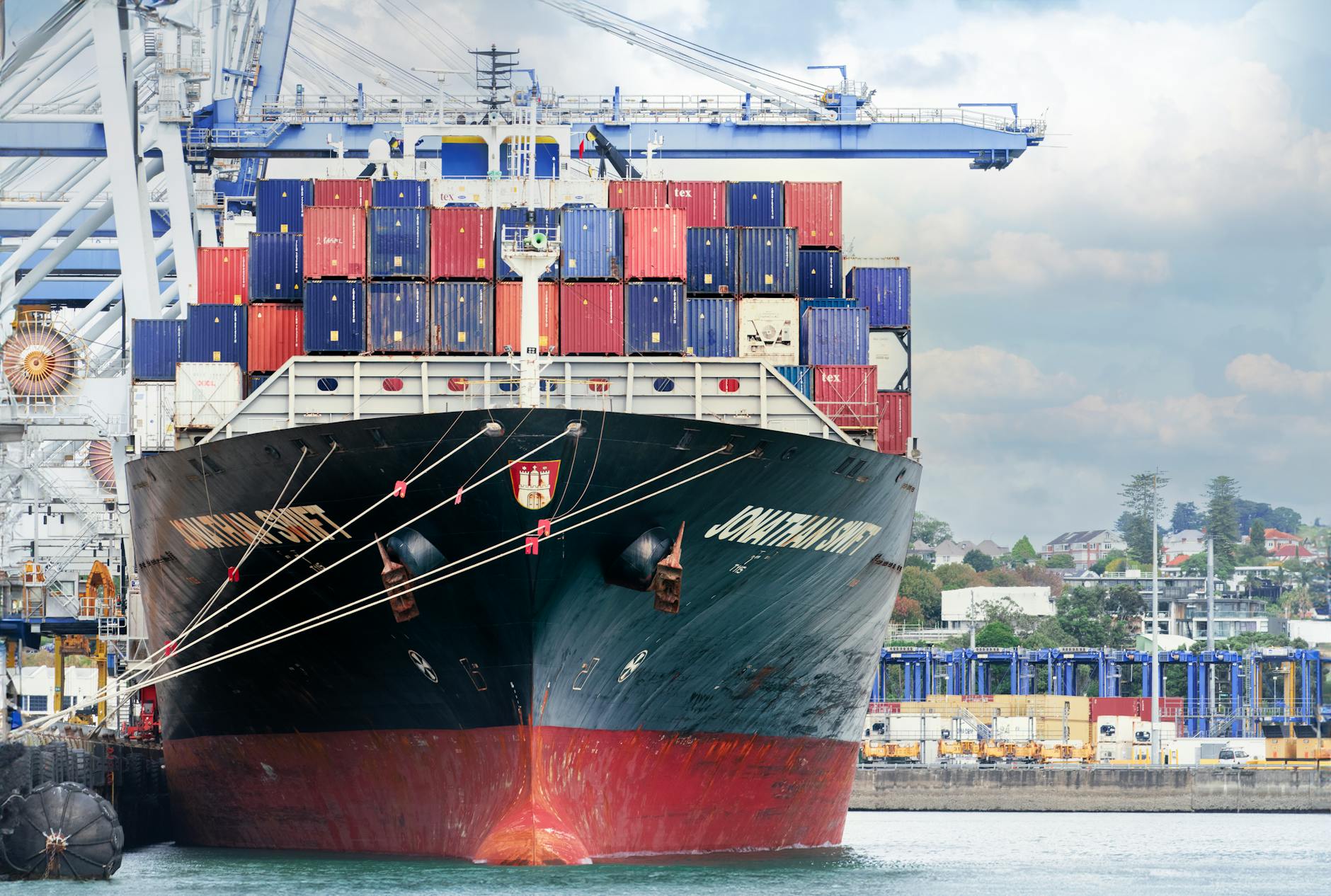
The numbers tell a sobering story. According to Statistics New Zealand, dairy exports to China dropped 23 percent in the year ended March 2026, wiping $3.2 billion off our export earnings. Meanwhile, Chinese imports from Argentina and Uruguay have surged 45 percent over the same period, as Beijing systematically reduces its dependence on any single supplier.
This isn’t happening in isolation. The broader world trade environment has turned increasingly hostile to the kind of free-flowing agricultural commerce that built New Zealand’s modern economy. From India’s rice export bans to Ukraine’s disrupted grain shipments, food-producing nations are prioritising domestic security over international obligations. The era of reliable, predictable agricultural trade is rapidly becoming a relic of the past.
What makes this particularly galling is how predictable it all was. Trade experts have been warning for years that China’s rapid economic development would inevitably lead to greater self-sufficiency in food production. Yet somehow, our dairy industry continued operating as if the party would never end, pouring investment into expanding production capacity rather than diversifying markets or adding value to products.
The government’s response has been typically underwhelming – a mix of diplomatic platitudes about maintaining strong relationships and vague promises to help exporters find new markets. But here’s the uncomfortable truth: there simply aren’t enough alternative markets to absorb the volume of dairy products we’ve been shipping to China. Europe has its own surplus production, the Middle East markets are already well-served, and emerging economies in Africa and Southeast Asia lack the purchasing power to fill the gap.
Fonterra’s recent pivot toward higher-value nutritional products represents smart strategic thinking, but it’s coming far too late in the game. The cooperative should have been investing heavily in research and development, premium branding, and direct-to-consumer channels years ago. Instead, it remained wedded to the commodity mindset that served it well in simpler times but leaves it woefully exposed in today’s complex world trade environment.
The ripple effects are already being felt across rural New Zealand. Dairy farmers who expanded their operations based on optimistic Chinese demand projections now find themselves overleveraged and facing declining payout forecasts. Rural communities that prospered during the dairy boom are bracing for a prolonged downturn as processing plants reduce shifts and support businesses feel the pinch.
Looking ahead, New Zealand faces some uncomfortable choices. We can continue pretending that world trade relationships will return to the comfortable predictability of the past decade, or we can acknowledge that food security nationalism is here to stay and adapt accordingly. That means accepting lower dairy export volumes, focusing ruthlessly on premium products, and probably restructuring parts of our agricultural sector away from pure commodity production.
The irony is that this crisis might ultimately force the kind of innovation and diversification that our agricultural sector has long needed but never embraced. Countries that successfully navigate world trade tensions are those that add maximum value to their raw materials and build direct relationships with end consumers rather than relying on bulk commodity sales.
But let’s not kid ourselves about the scale of the challenge ahead. Rebuilding New Zealand’s agricultural export strategy in an era of world trade fragmentation will require government support, industry coordination, and a level of strategic thinking that has been notably absent from our economic planning. The question isn’t whether we can adapt to this new reality – it’s whether we’ll act quickly enough to minimise the damage to our rural communities and export earnings.